WHY we need you in Tanzania
- Rates for completing school are very low- around one third of the population complete primary education, and less than one in ten finish secondary school.
- According to UNICEF, 88% of all Tanzanian children live in multi-dimensional poverty in Tanzanzia (affected in at least 3 areas).
- In 2015, over 600,000 Tanzanian children were suffering from acute malnutrition.
- 49.1% of Tanzanians lived below the poverty line in 2011, thats just $1.90 USD per day.
HOW can you help?
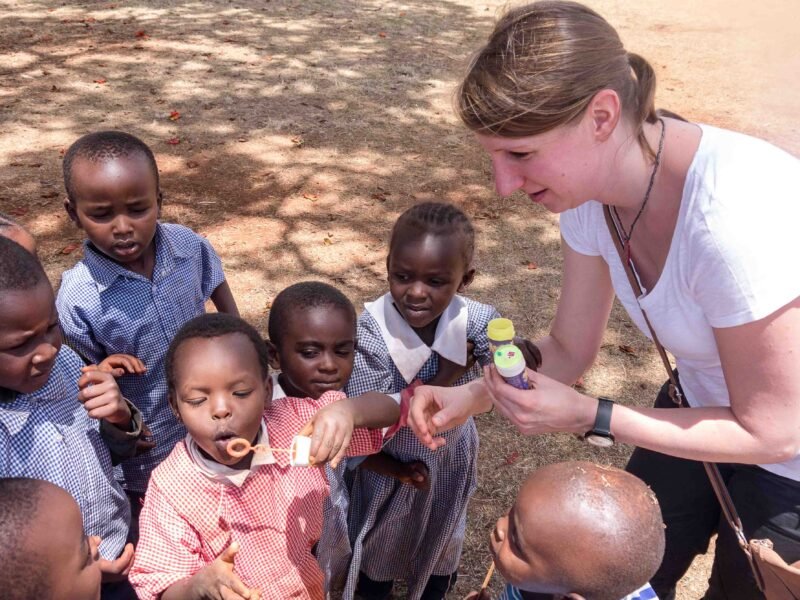
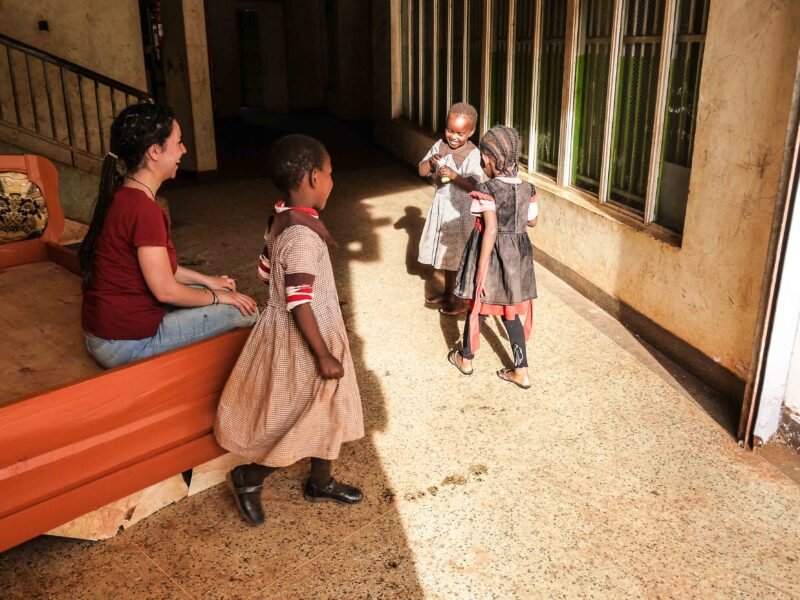
- Work with children in local kindergartens and primary schools (Grades 1-2).
- Help teachers with class management and lead fun activities to teach English.
- Improve children's English skills through creative play and interaction.
- During school holidays, teach English at the community center for children aged 6-16.
WHAT you can do?
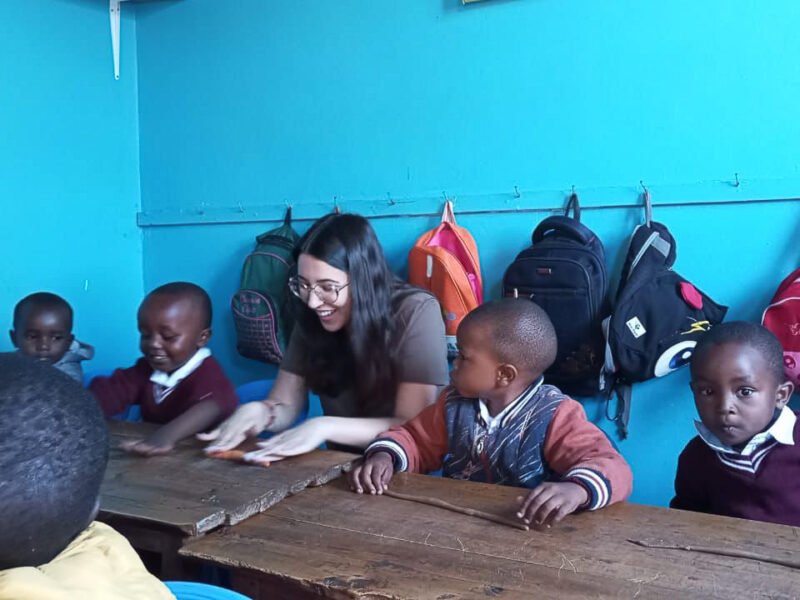
- Assist local teachers in managing classrooms of 10-30 children.
- Lead interactive activities (e.g., drawing, coloring, storytelling, games) to improve English language skills.
- Take on leadership roles in small group activities to foster language development.
- Option to extend teaching hours during holidays for extra experience.
Why Involvement Volunteers International?
- Non Profit Organisation & Charity
- Over 35+ Years Expertise Globally
- Low Program Fees - From US$295
- Excellent Safety Record, In-Country 24/7 Support & Emergency Assistance
- 1 Application Fee - Multiple Countries
PROJECT NAME: EARLY CHILDHOOD EDUCATION
LOCATION: MONDULI, TANZANIA
START DATES: WEEKLY (SAT/SUN ARRIVALS)
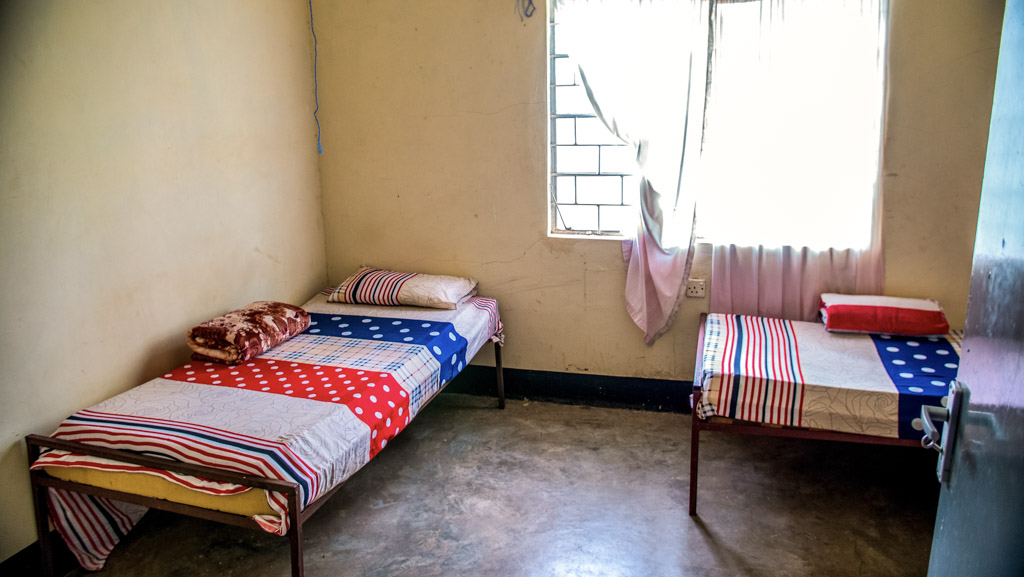
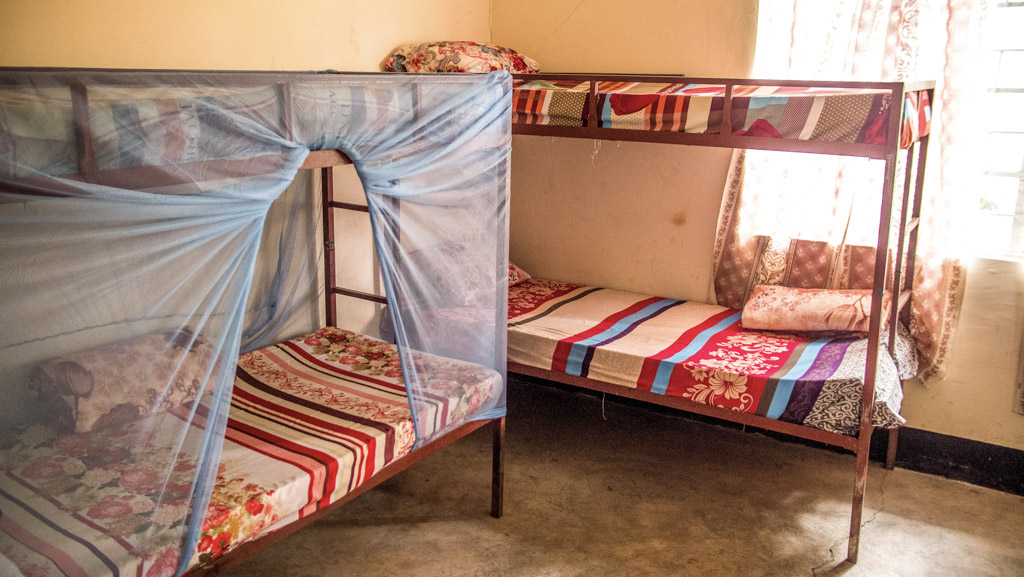
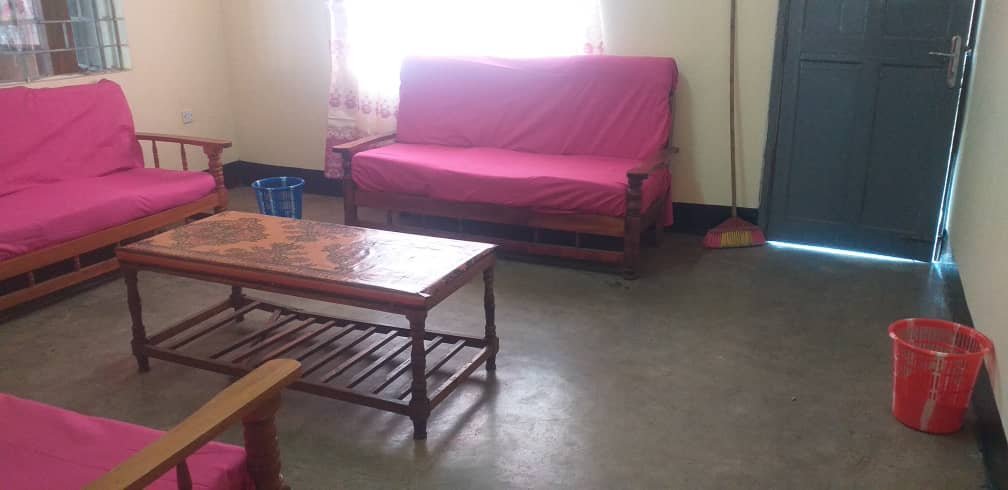
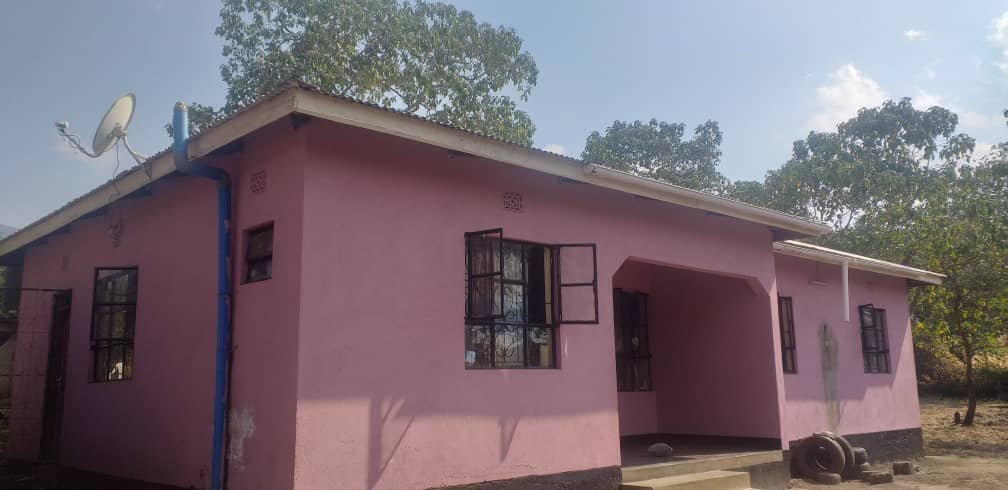
ACCOMMODATION: VOLUNTEER HOUSE (SHARED ROOMS)
MIN DURATION: ONE WEEK
MIN AGE: 16+
SPECIAL REQUIREMENTS: Criminal background check required


Overview
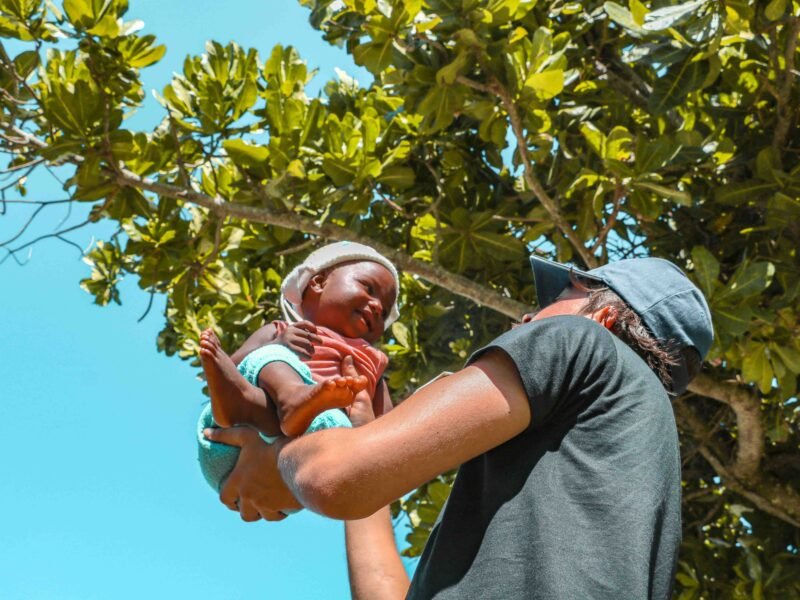
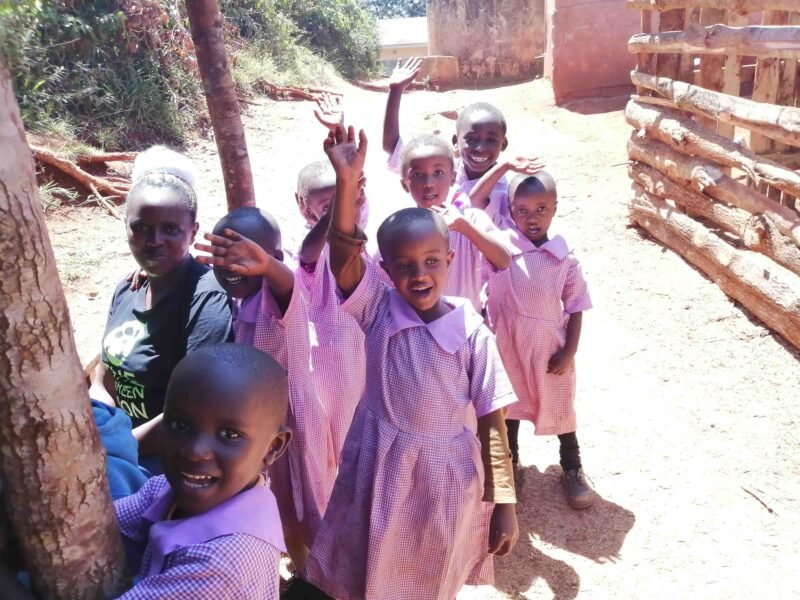
This program provides a meaningful opportunity to support early education in Monduli by working with children aged 3–6 in kindergartens and younger primary school classes.
Volunteers assist local teachers in building children’s English skills through creative, play-based activities such as drawing, singing, storytelling, colouring, and games. In rural areas, opportunities for practicing English are limited, so your contribution helps lay a foundation for future learning. During school holidays, volunteers can also teach English at the local community centre for children aged 6–16. This hands-on program gives you a chance to make a real difference while gaining valuable teaching experience.
Program Highlights
- Support teachers in kindergartens and lower primary school classes (Grades 1–2).
- Lead fun, interactive activities to teach English through play and creativity.
- Help children improve language skills and confidence in using English.
- Teach at the community centre during school holidays, working with children aged 6–16.
- Opportunities to extend teaching hours during holidays for additional experience.
Participant’s Role
- Assist teachers with classroom management (10–30 children per class).
- Lead engaging activities—storytelling, singing, drawing, and games—to support language learning.
- Plan and deliver creative lessons tailored to young learners.
- Take the lead in small group activities to encourage participation and communication.
- Support English lessons at the community centre during holidays.
- Step in to lead classes when teachers are unavailable.
What’s Included
- Accommodation from Sunday until Saturday noon of your final week
- Airport pickup (during regular pick-up times) and program-related transport
- Daily meals (3 on weekdays, 2 on weekends)
- Teaching materials and program guidance
- Orientation, training, and supervision from local coordinators
- 24/7 support from the local team
Location
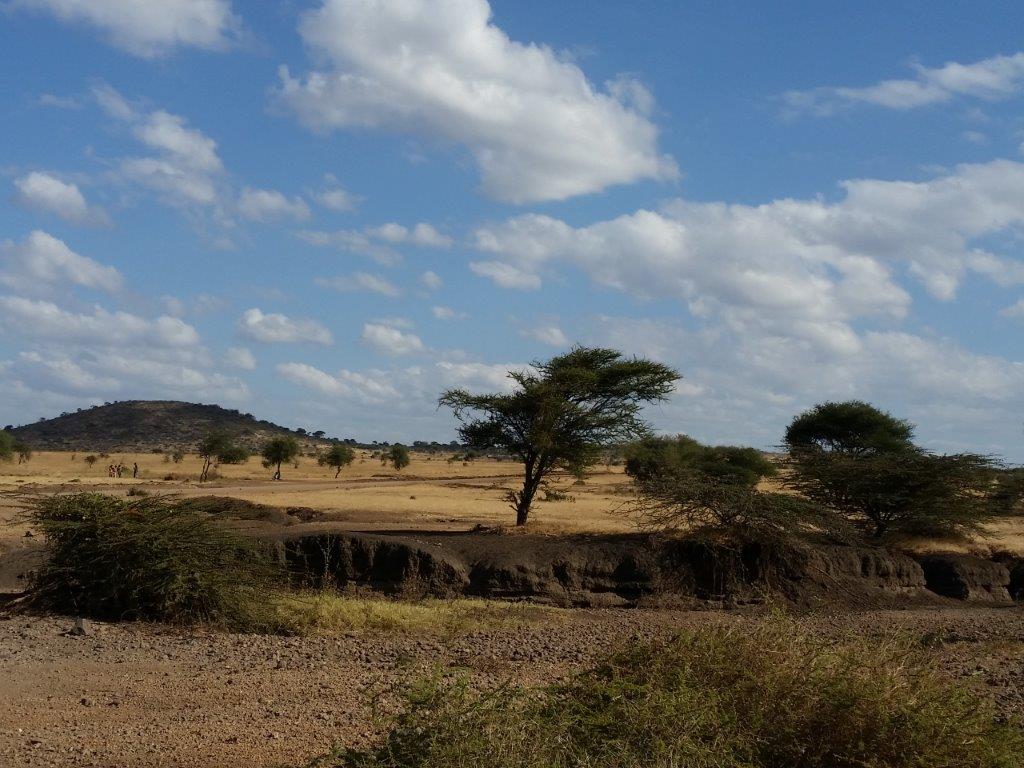
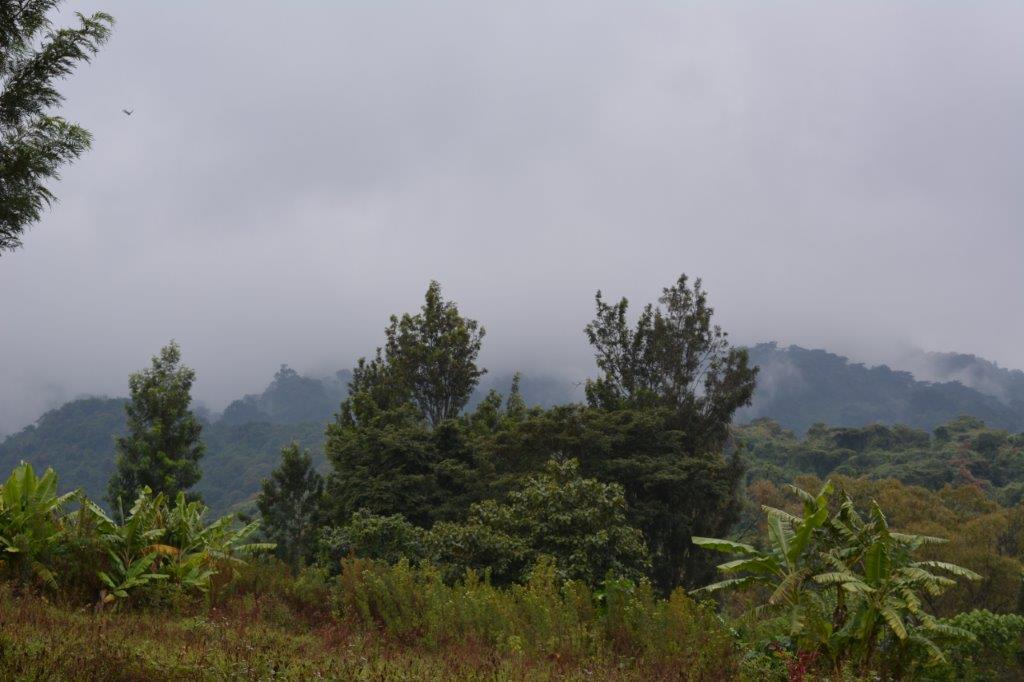
You will be staying in the mountain district of Monduli, which is situated within the Arusha region, in North-Eastern Tanzania. The Monduli district is a great place for visitors to learn how the traditional Maasai people live and to experience an authentic local village. The region is situated between the famous Mt Kilimanjaro and the Serengeti- making it a perfect place to go on a safari or trek in the mountains. Lake Manyara and Mount Meru are also popular attractions to explore in this beautiful region of Tanzania.
Project Tasks
- Support the improvement of children’s English language skills.
- Provide extra assistance for local teachers in kindergartens and primary schools.
- Offer valuable childcare and education support in rural areas.
- Give volunteers hands-on teaching experience and cultural immersion.
Food & Accommodation
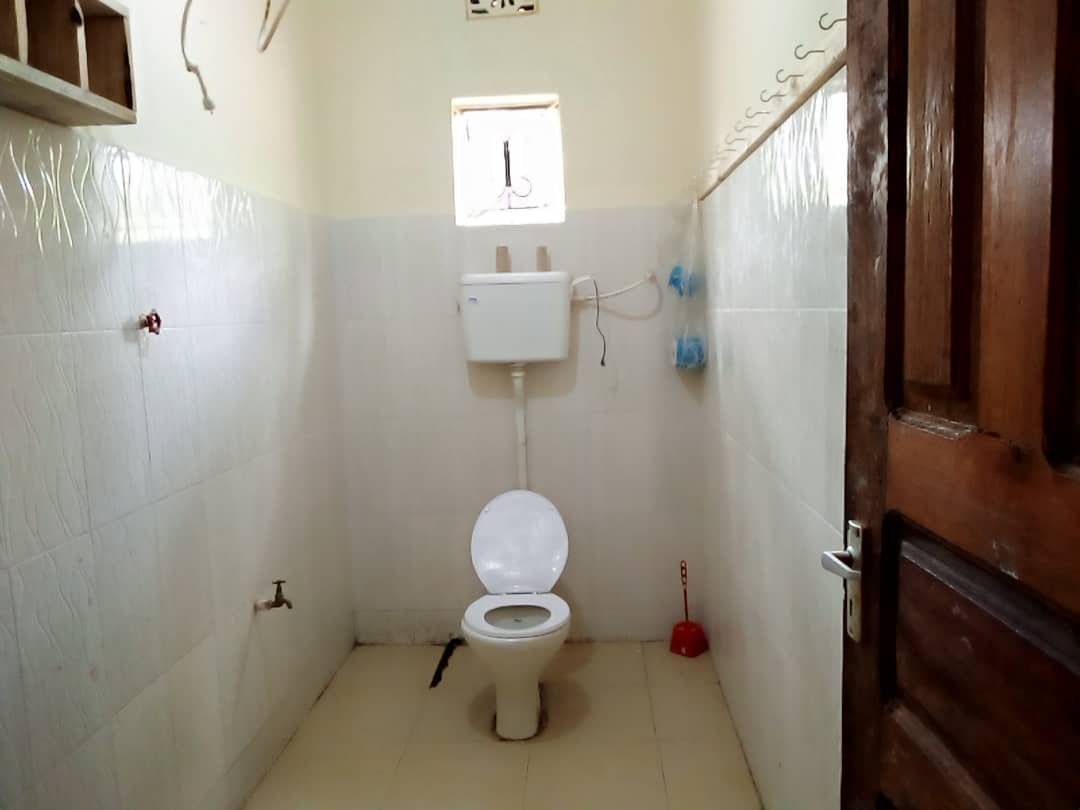
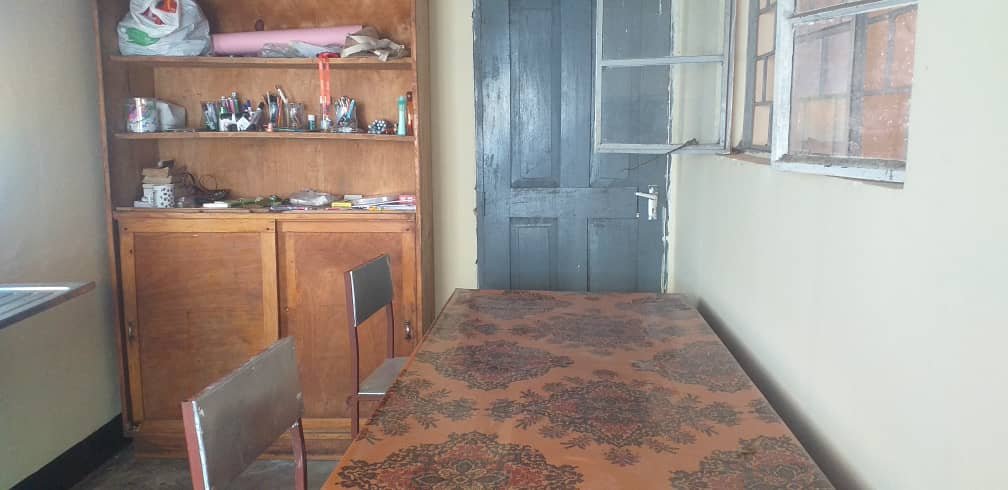
You will stay in one of our volunteer houses in Monduli, with 2-6 people sharing a room. There may be modern western-style toilets, but it’s possible that traditional squat-style flush toilets may also be available. Additionally, showers may require water to be heated, often using a bucket-style method. However, we assure you that, despite these differences, the facilities are designed to meet your needs.
The program centre is situated on a vibrant local school campus, surrounded by ample green spaces for you to enjoy and unwind. A spacious garden area provides the perfect spot to relax during the daytime, while clear nights offer a magnificent opportunity for stargazing, with the dazzling Milky Way visible right from this very location.
We highly recommend obtaining a local “Halotel” or “Airtel” SIM card and purchasing a data bundle, ensuring you maintain personal internet access during your stay.
Electricity
Tanzania uses both “Type G” (British Standard) and “Type D” electrical sockets and operates on a voltage of 230 volts at 50 hertz (Hz) rated at 13 amps. It’s essential to bring the appropriate plug adapters or universal travel adapters that support Type D and Type G sockets to ensure you can plug in and use your electronic devices without any issues.
The accommodation is close to shops, small local restaurants, salons, pharmacies, an ATM, and local markets, all within walking distance. In case of medical needs, the well-equipped hospital is also easily accessible on foot. For those seeking a broader range of amenities and activities, the local “dala-dala” area offers minibus services to Arusha, a major city in Tanzania, located just an hour away. Arusha serves as a bustling hub with numerous markets, shops, malls, restaurants, and supermarkets, catering to all your requirements.
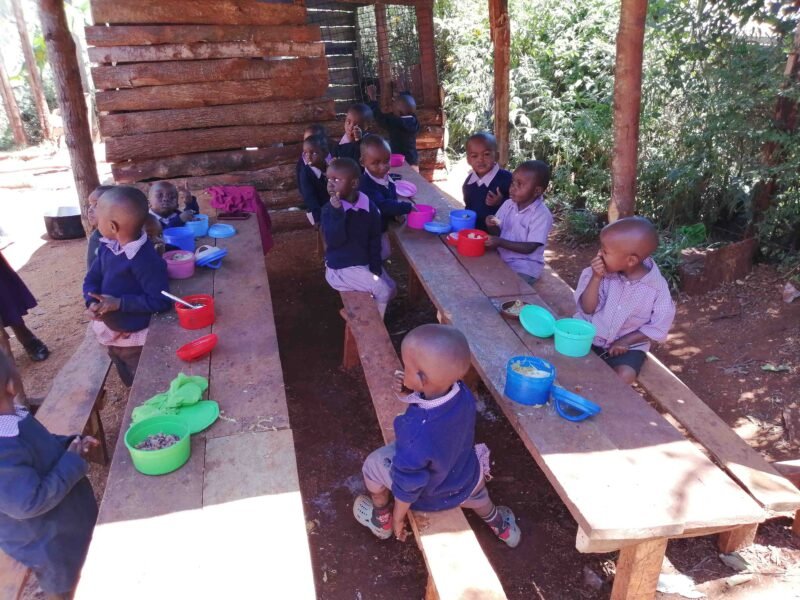
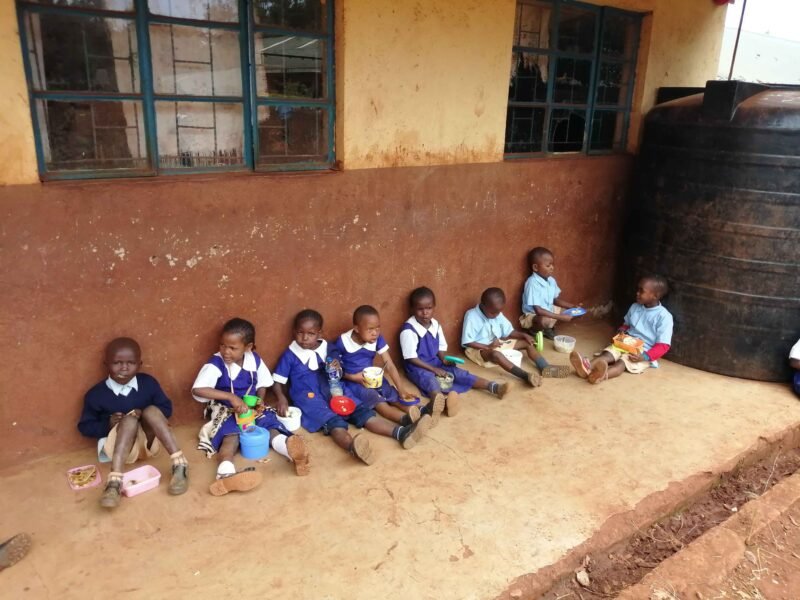
You will recieve 3 meals on weekdays and 2 on weekends. The meals are primarily inspired by the delicious flavors of the local cuisine, offering a true taste of the region’s culinary traditions.
Expect the daily meals to feature a delightful array of locally sourced ingredients, such as corn, rice, potatoes, and bananas. There will be some dishes that incorporate beef, goat meat, beans, and nutritious green leafy vegetables.
If you have any specific dietary needs and/or allergies, kindly inform us in advance, and we will ensure that appropriate meals are prepared for you.
*Accommodation may be in our local centre or in close proximity, depending on availability and time of year.


Standard
Projects (Monduli)
- Early Childhood Education
- Sports Coaching
- English Teaching
-
1 Week - $430
-
2 Weeks - $640
-
3 Weeks - $920
-
1 Month - $1240
-
2 Months - $2340
-
3 Months - $3460
What's Included
-
Accommodation
-
Meals
-
Airport Pickup
-
Local Transportation
-
1 Day Orientation
-
24/7 In-Country Support
-
Project Materials & Equipment
-
Pre-departure Expert Advice
-
Preperation Tools & Checklists
-
Certificate of Completion
FAQ
If you love working with children, or are an inspiring teacher, then this is definitely the right project for you. You don’t need prior experience to work on this project but anyone who has previously worked with children would be a great advantage. For anyone interested in fulfilling a career in this field, this would be an excellent project to gain some first hand experience.
If you want to immurse yourself within a new culture and have the commitment to help these children through fun and education teaching, then come and join us in Tanzania!
- Accommodation
- 3 meals p/day weekdays / 2 meals p/day weekends
- Arrival airport transfer (Sat/Sun arrivals)
- Filtered drinking water, coffee & tea
- 1 day orientation
- Daily transportation to project
- In country 24/7 support & emergency assistance
- Fundraising support
- University course credits (where applicable)
- Certificate of Completion
- Airfares
- Travel Insurance
- Tours, Souvenirs & spending money
- Introduction meeting, General rules, Setting Expectations, Advice on Health and Safety and insuring you have all your documents.
- Tanzanian Do’s and Don’ts, Cultural introduction, learning about Tanzania’s history and Intensive Swahili Language classes.
- Tour around the accommodation and local area. We will show you where to find local amenities and where you can buy a sim-card.
- Lunch
- Hike up to nearby Monduli mountains
Programs begin every Monday, and volunteers are required to arrive the day prior, for orientation before the project. Your accommodation on the Sunday is included in the program fees.
A free airport pickup is included when arriving to Kilimanjaro International Airport (JRO) or Arusha Airport, between 6am to 6pm on Saturday or Sunday. If arriving on Saturday, an extra night is charged.
If arriving outside of the pickup times, we charge an additional fee for any extra night’s accommodation before your program, and another fee for a private transfer.
Alternatively, if arriving early you could wait at the arrival’s terminal for the pickup time, book accommodation at the airport and meet us during the pickup times or make your own way to the project (we will advise on how to do this).
From Kilimanjaro airport to the Monduli accommodation, it takes 2-2.5 hours by car. From Arusha airport to the Monduli accommodation, it takes 40-50 mins by car.
Monday to Friday
You will be assisting at the program placement for 4-5 hours each day, with a break in between. In the afternoon, you will have time to prepare for the next day’s activities and lessons before dinner time. The day could look like this:
- Breakfast at the accommodation
- Engage children in creative learning activities and assist local teaching staff
- Morning break at the program
- Engage children in creative learning activities and assist local teaching staff
- Help local staff serve lunch to the children
- Lunch at the accommodation
- Prepare lesson plan for the next day
- Free time
- Dinner at the accommodation
This schedule can be changed and/or amended depending on weather conditions, local conditions, and unforeseen circumstances.
There are many exciting places to explore in the surrounding areas, here are just a few!
Ngorongoro Conservation Area
Home to the Ngorongoro Crater, this stunning area of vast plains, green forests and wild savannahs, sits next to the Serengeti National Park. You will see the highest concentration of animals here from lions, zebra, wildebeest and elephants. The views from the crater are absolutely stunning, with an atmospheric mountain backdrop. This should be at the top of your bucket list for Tanzania!
Serengeti National Park
Another one for your bucket list and a perfect way to spend your weekend off. The Serengeti is home to an abundance of wildlife, including the big 5 (lion, rhino, leopard, buffalo & elephant). You will also find zebra, wildebeest, giraffes, hippos, baboons, hyenas, ostriches and many more incredible animals. The best way to explore is by camping out in the open or in one of the many lodges. The area is huge, and we recommend at least 2 days here.
Tarangire National Park
A quieter park in Northern Tanzania, Tarangire is known for its large population of elephants and the incredible Baobab tree. In dry season you can spot all kinds of amazing animals that congregate to the Tarangire river. Spot anything from zebras, giraffes, buffaloes, elephants, wildebeests and even lions of you’re lucky.
Moshi and Mount Kilimanjaro
Moshi is about a two and half hour drive from Monduli and can be easily reached using a “dala dala” or taxi to Arusha and then changing again onto Moshi from there.
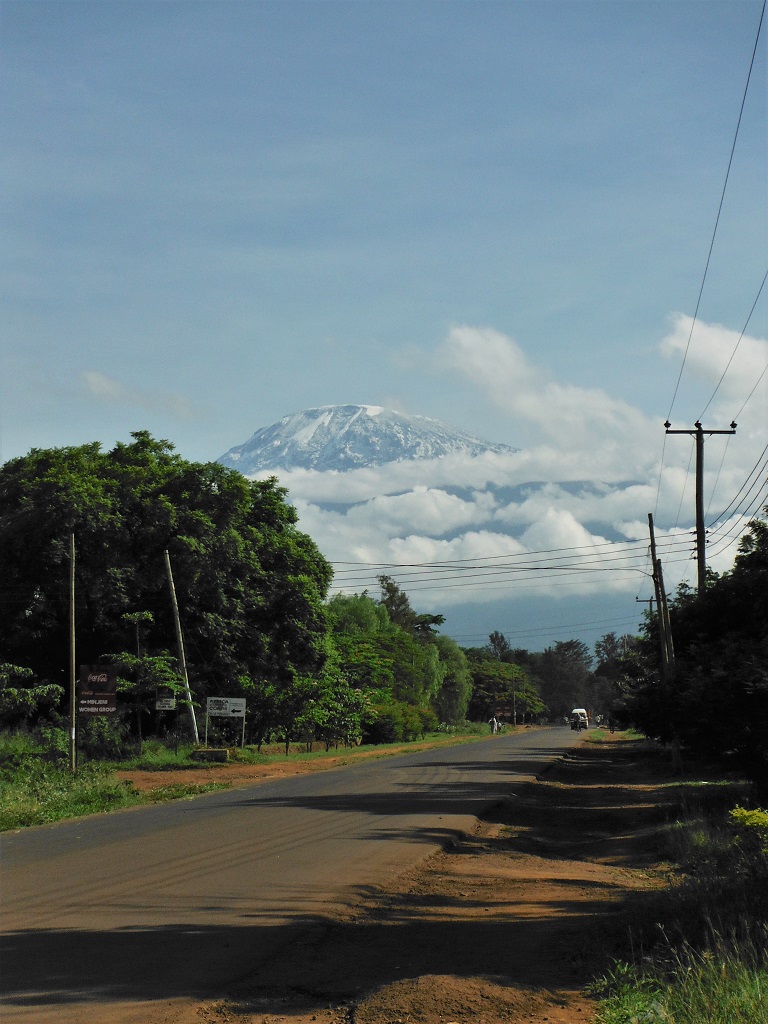
Moshi is a quiet town with several Western cafes and coffee shops. It is also the closest town to the starting point of the Mount Kilimanjaro trek. On a clear day, you can get excellent views of Kilimanjaro right from the roadside (Tip: Moshi Train Station, which is no longer is use, has fantastic views of Africa’s highest mountain, with locals selling drinks and snacks up the top).
Arusha National Park and Mount Meru
Mount Meru is located in Arusha National Park and is the second largest mountain in Tanzania. If you’re looking to Climb Kilimanjaro ,then Mt Meru can be a great acclimatisation trek, taking you through various types of vegetation. There are also scenic trails around the mountain at ground level. Other attractions include Meru Crater, the Jekukumia River, Ngurdoto Crater and the Momelia Lakes which are known to change colour! You might even find wildlife here including giraffes, warthogs, cape buffaloes, lions, elephants, flamingos and more.
Lake Manyara National Park
If you love bird watching, then head to Lake Manyara during the dry season where pink flamingos flock to the vast lake. During wet season see if you can spot the lions, leopards, hippos, giraffes, zebras, elephants, blue monkeys, gazelles and cheetahs roaming the park.
Kikuletwa Hot Springs
A somewhat ‘secret’ pool of clear blue water, situated in between Arusha and Moshi is the Kikuletwa Hot Springs. The water isn’t actually hot but totally refreshing after the dusty drive getting there. Enjoyed by tourists and locals, this is a beautiful spot for relaxing and swimming in the crystal clear water, surrounded by jungle. There’s even a rope swing into the water for more fun and games. If this wasn’t on your list before, it should be now.
Arusha
Just over an hour’s drive from Monduli, Arusha is a large city in Tanzania which has many Western style eateries, a cinema, Maasai markets, shopping malls, supermarkets and a cultural centre. There are a lot of things to do here and a great way to spend your weekend. Close to the Serengeti, Arusha is a popular starting destination for wildlife safari tours.
Hiking Around Monduli
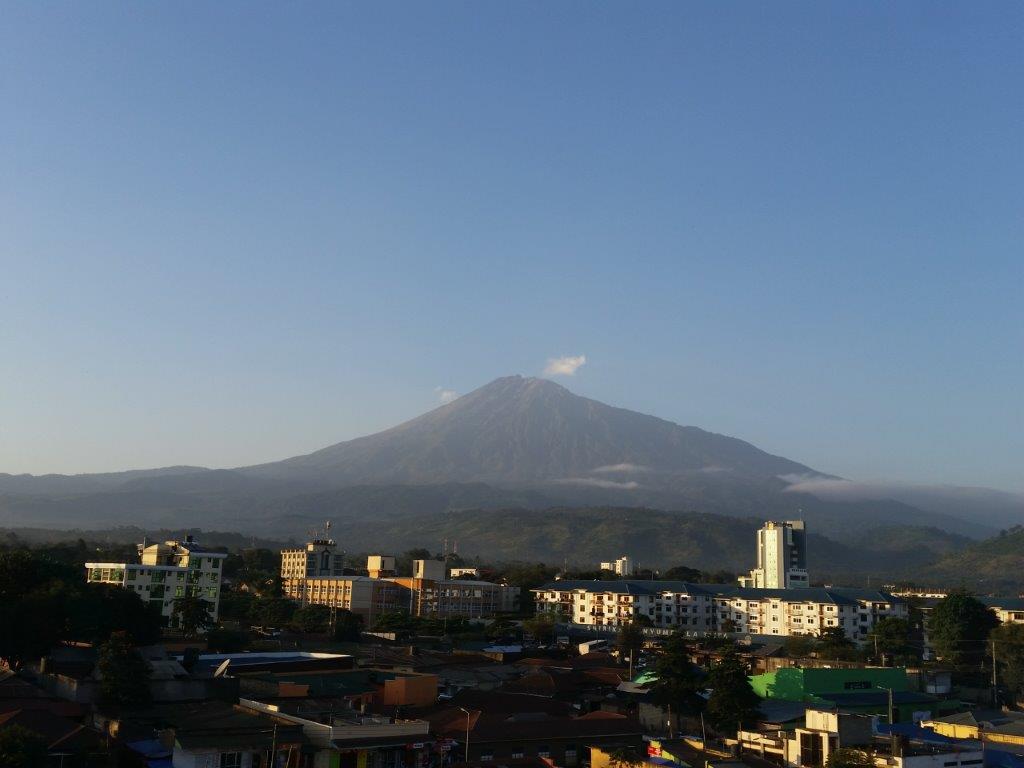
If you’re looking for off the beaten path trails then there’s no better place to look then in Monduli. There are numerous treks, one even takes you to a beautiful waterfall. You will need to ask your local coordinator to arrange certain visits, as the government needs to grant you permission (for a fee) to visit beyond certain spots, this is to conserve the area.
Iringa and Ruaha National Park
If you have the time after finishing your project, Ruaha National Park is a quieter and much less visited place for wildlife viewing. It’s located in Central Tanzania, near the small and quiet town of Iringa (which is a great stop off for visiting Ruaha). The park is actually the largest in Tanzania but less frequently visited by tourists, although visitors are rarely disappointed by its natural beauty. It’s home to cheetahs, the second largest population of Leopards in Africa, buffalos, hippos, and more!
Zanzibar
A little further afield, it is still possible to fly to Zanzibar for a weekend from Arusha (although several days here would be ideal). Zanzibar is known for its sandy white beaches, turquoise water and unique culture. Stone Town is an interesting town, known for its mazes and spices. Other things to do is a visit to Prison Island, where prisoners were once held but is now home to giant tortoises. You can also spot dolphins and try snorkelling off the island. The North and East of Zanzibar have some of the best and cleanest beaches in the world.
Additional Requirements
- Genuine interest in teaching and working with children.
- Energy, patience, and adaptability.
- Medical clearance for participants over 65 years.
- Signed parental consent for participants under 18 years
- Before traveling to Tanzania, it’s recommended to get vaccines for yellow fever, hepatitis A and B, typhoid, DTP (diphtheria, tetanus, and pertussis), MMR (measles, mumps, rubella), meningitis, and rabies, as well as take malaria prevention if needed.
Additional Equipment
Packing List
Clothing
- Modest clothing (covers knees and shoulders)
- Comfortable walking shoes and sandals
- Sun hat, fleece sweater, windproof rain jacket (depending on weather)
Documents
- Passport
- Flight info, insurance, vouchers, visas, and vaccination certificates (with photocopies)
Health & Safety:
- Hand sanitizer, face masks (if required)
- First-aid kit (medications, sunscreen, insect repellent, rehydration tablets)
Essentials:
- Toiletries (shampoo, soap, etc.)
- Day pack, small travel towel, reusable water bottle
- Moneybelt, locks for bags
- Personal entertainment (books, cards, music player)
Optional Items:
- Games, books, color pencils, chalk, rulers, etc.
- Pictures from your country, family, and friends.
- Other small cultural objects from your country of origin.
For information on holidays and any programs affected, please see the following link: TZ – Holidays – All Programs
Tanzania is a large country in Eastern Africa within the African Great Lakes region. Tanzania is bordered by Kenya and Uganda to the north, Rwanda, Burundi, and the Democratic Republic of the Congo to the west and Zambia, Malawi, and Mozambique to the south. It also sits alongside the beautiful Indian Ocean. Tanzania is home to Mount Kilimanjaro, Africa’s highest mountain, in its north-eastern region. The trek to the top is challenging but provides stunning mountain views. The country is also considered the Safari capital of the world, with incredible wildlife viewing throughout Tanzania, in particular, the Serengeti.
Tanzania is a presidential constitutional republic, and its official capital city has been Dodoma (since 1996). Here you will find the President’s Office, the National Assembly, and other government buildings. Dar es Salaam, the former capital is still the largest city and holds most of the government offices, as well as being the country’s principal port and leading commercial hub.
Climate can vary greatly within Tanzania. Up in the highlands, temperatures range between 10 and 20°C during cold and hot seasons.
The rest of the country is usually pretty consistent, with temperatures rarely falling lower than 20°C. The hottest period months are between November and February (25–31°C) while the cooler months occur between May and August (15–20°C). Tanania can recieve some cooler evenings and mornings, so be sure to bring along something warm to wear.
Tanzania has two major wet seasons: one is uni-modal (October to April) which is experienced in southern, central, and western parts of the country, and the other is bi-modal (October to December and March to May), found in the north from Lake Victoria and up along the east coast.
The Serengeti can be visited throughout the year but is most popular during March to May, due to very little rain. For the wildebeest migration, travel from June to September. And for Zanzibar, this is best visited from June to October, which is dry season.
Tanzania has a large and diverse population, consisting of many different tribles, ethnic communities and religous groups.
Christians and Muslims make up the majority and 2% still practice Traditional African Religion.
incredibly, there are over 100 different languages are spoken in Tanzania, making it the most diverse country in East Africa for language. All four of Africa’s language families are spoken (Bantu, Cushitic, Nilotic, and Khoisan), with Swahili and English being the official languages. Although some locals speak great English, Swahili is predominantly spoken throughout the county.
30 Years Non Profit Experience
IVI is an Australian charity & non profit organisation founded in 1989 and is one of the pioneers of overseas volunteering successfully placing over 20,000 volunteers globally.
Affordable Volunteer Travel
Safe & Responsible Projects
Work Experience & University Credits
Weekends & Extra Tours
Involvement Volunteers International