Involvement Volunteers International
 WHY we need you in Madagascar
- Madagascar is one of the world's poorest countries, with around 74% living below the poverty line
- The country is 4th highest in the world for chronic malnutrition, with almost 1 in 2 children under five suffering from stunted growth
- Madagascar is prone to climate change issues and natural disasters, such as cyclones. This can badly damage infrastructure and peoples homes
- Around 46% of the population in Madagascar have access to clean drinking water & 85% lacking adequate sanitation facilities
- Deforestation and hunting have led to over 100 species of Madagascar's Lemur population becoming endangered
WHAT Does Beginner Diving & Adventure Involve?
- Diving Training: Open Water Certification (Week 1)
- Advanced Diver Certification + Fun Dive (Week 2)
- Rescue Diver & First Aid (React Right) Certification (Week 3)
- Pool skill sessions and multiple open water dives (weather dependent)
- Excursions and Cultural Activities
Why Involvement Volunteers International?
- Non Profit Organisation & Charity
- Over 35 Years Expertise Globally
- Low Program Fees - From US$295
- Excellent Safety Record, In-Country 24/7 Support & Emergency Assistance
- 1 Application Fee - Multiple Countries

PROJECT NAME: 3 WEEK BEGINNER DIVING & ADVENTURE
LOCATION: NOSY BE ISLAND
START DATES: WEEKLY (SAT/SUN ARRIVALS)
ACCOMMODATION: VOLUNTEER HOUSE (SHARED ROOMS)
MIN DURATION: 3 WEEKS
MIN AGE: 16+
SPECIAL REQUIREMENTS: Criminal background check required, Diving Insurance
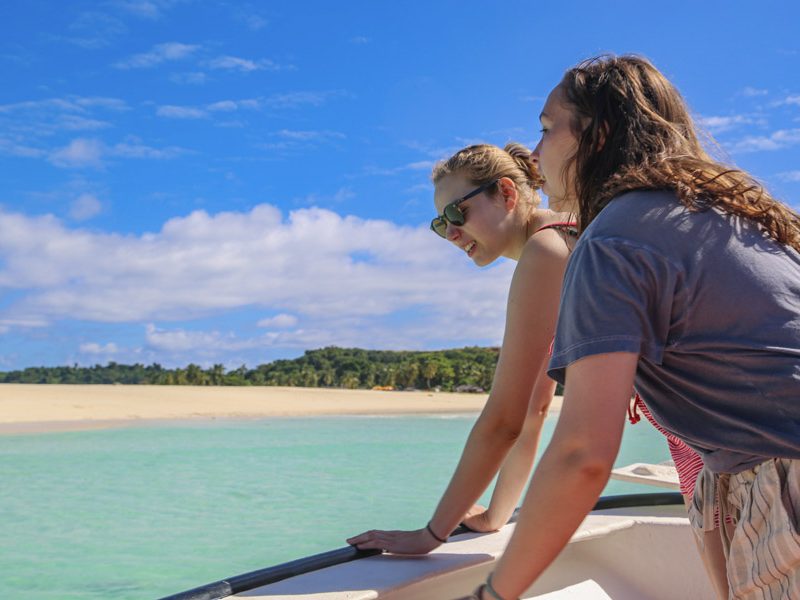
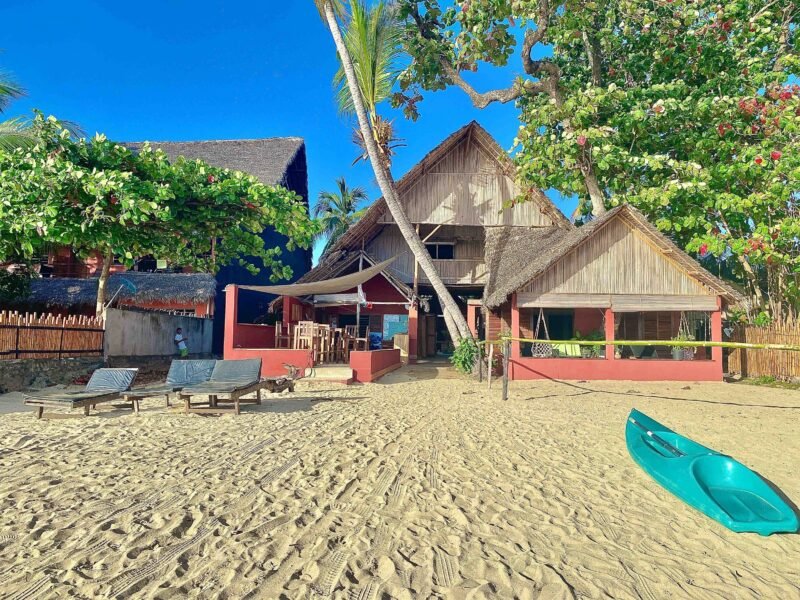
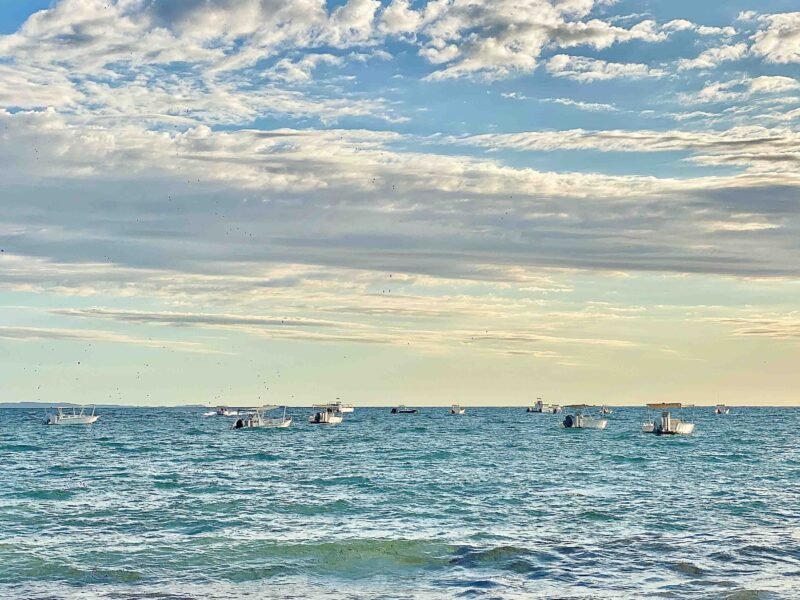
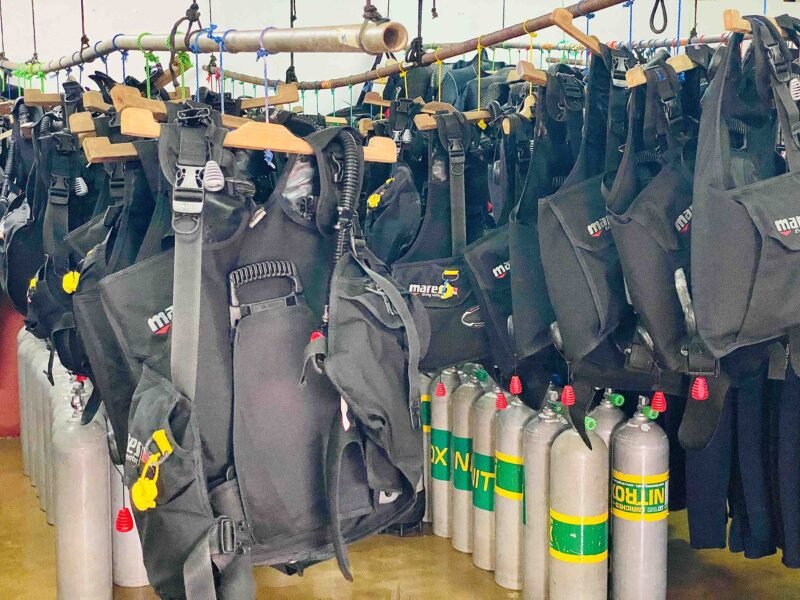
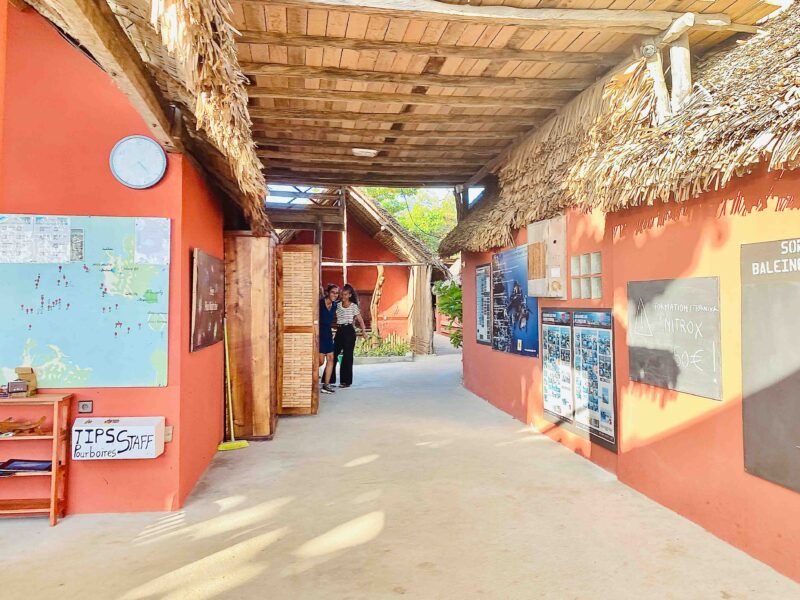
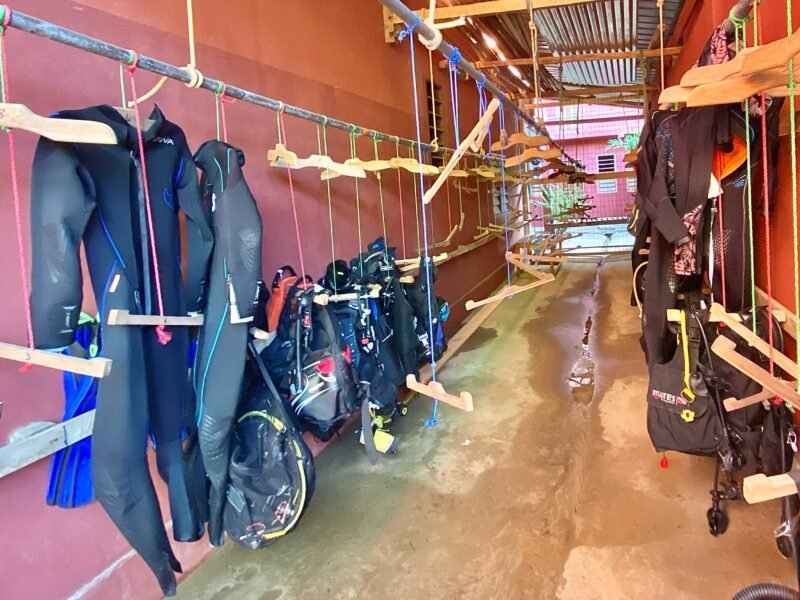
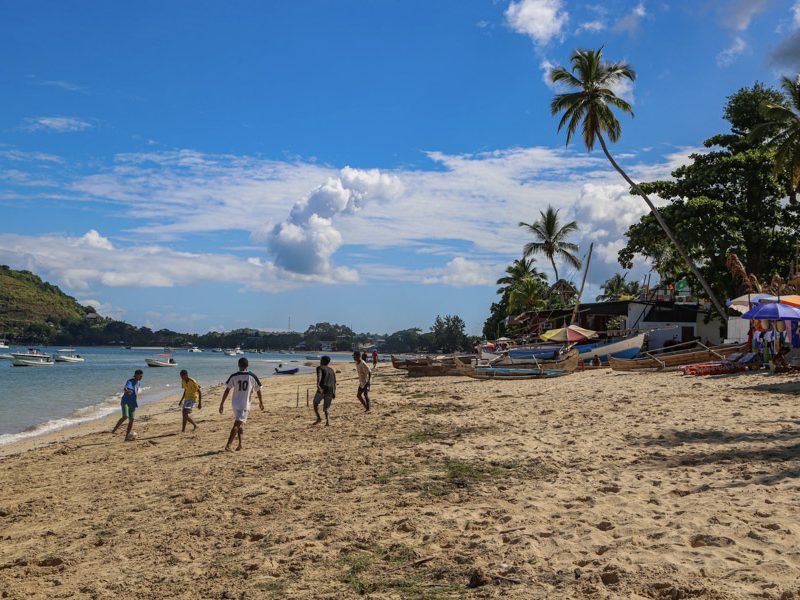
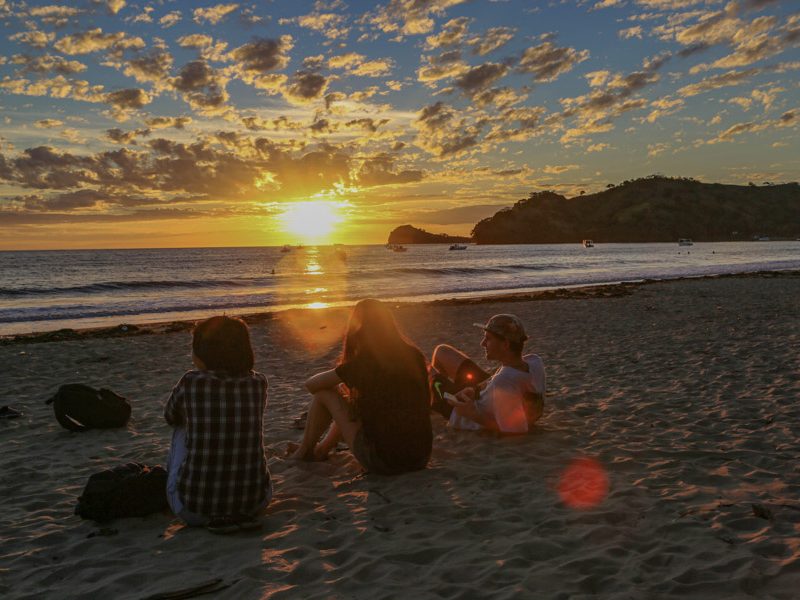
Overview
Your adventure begins with a warm island welcome. After arriving at the airport, you’ll be transferred to your accommodation, where you’ll have time to settle in. The first day eases you into island life with a cultural orientation—learning basic Malagasy phrases, exploring the lively town of Hell-Ville, and getting a feel for the local rhythms. This introduction prepares you perfectly before diving into your underwater training.
In Week One, you’ll work toward your Open Water Certification. Training starts in the pool, where you’ll practice essential skills before progressing gradually to real dive sites. Each practical session is paired with classroom-style theory at the dive centre, giving you the knowledge and confidence to earn your certification safely.
Week Two takes your diving skills up a notch. You’ll complete three deeper dives, expand your knowledge with additional theory sessions, and take a final exam. To celebrate, you’ll embark on a canoe journey to a nearby village, trek through Lokobe National Park, and share a traditional meal with locals. It’s the perfect reward for your hard work.
By Week Three, you’ll begin Rescue Diver training and React Right First Aid certification. This stage builds your confidence and ability to respond in emergency situations. The week finishes with two final dives, interactive theory lessons, and a fun excursion to Lemuria Land, a sanctuary for lemurs. You’ll also cap off the experience with a refreshing swim beneath a nearby waterfall.
Whether you’re aiming to kickstart a lifelong passion for diving or simply want to challenge yourself in a new environment, this program blends skill-building, cultural immersion, and once-in-a-lifetime experiences both above and below the surface.
Your Role
As a participant, your role is to fully embrace both the diving and cultural aspects of the program. No prior dive experience is needed—just curiosity, a willingness to learn, and respect for teamwork and safety.
Throughout your time here, you’ll:
- Attend all scheduled dive sessions and theory classes.
- Follow safety protocols under the guidance of certified instructors.
- Take part in cultural activities, including language lessons, tours, and environmental briefings.
- Support your fellow participants and contribute to a collaborative team environment.
- Develop confidence in the water—practicing controlled breathing, buoyancy, and smooth underwater movement.
This program is designed to take you step by step from complete beginner to confident diver. By the end, you’ll hold internationally recognized dive certifications, a deeper understanding of marine ecosystems, and the satisfaction of achieving something extraordinary.
What’s Included
- Accommodation from Sunday to Saturday noon of your final week.
- Airport pick-up (during regular pick-up times) and all scheduled transport during the program.
- Meals: Three meals daily on weekdays, two on weekends (no lunch on Saturday or Sunday).
- Dive Training:
- Week 1: Open Water Certification
- Week 2: Advanced Diver Certification + Fun Dive
- Week 3: Rescue Diver & First Aid (React Right) Certification
- Pool skill sessions and multiple open water dives (weather permitting).
- Classroom-style theory lessons to complement practical training.
- Excursions & Cultural Activities: Hell-Ville tour, SIM card setup, money exchange support, basic Malagasy lessons, canoe trip, Lokobe National Park trek, traditional village lunch, Lemuria Land visit, and a freshwater swim at the cascade.
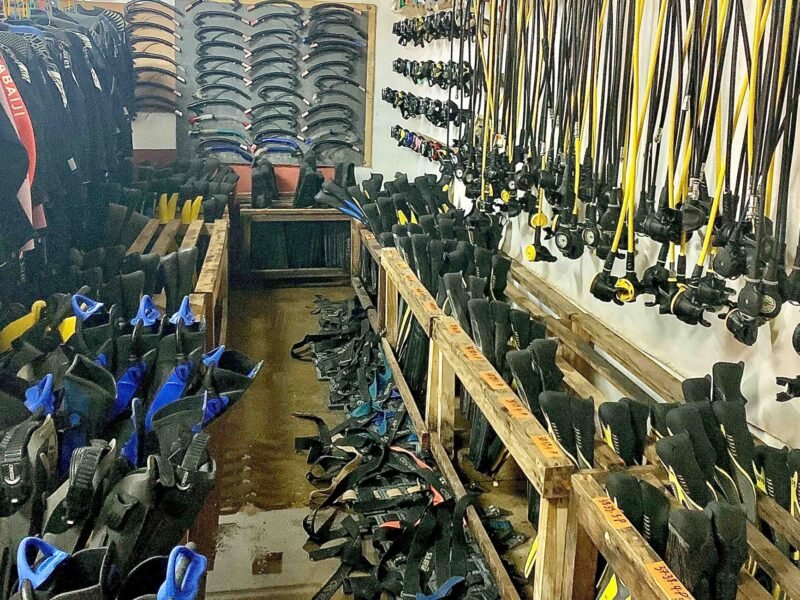
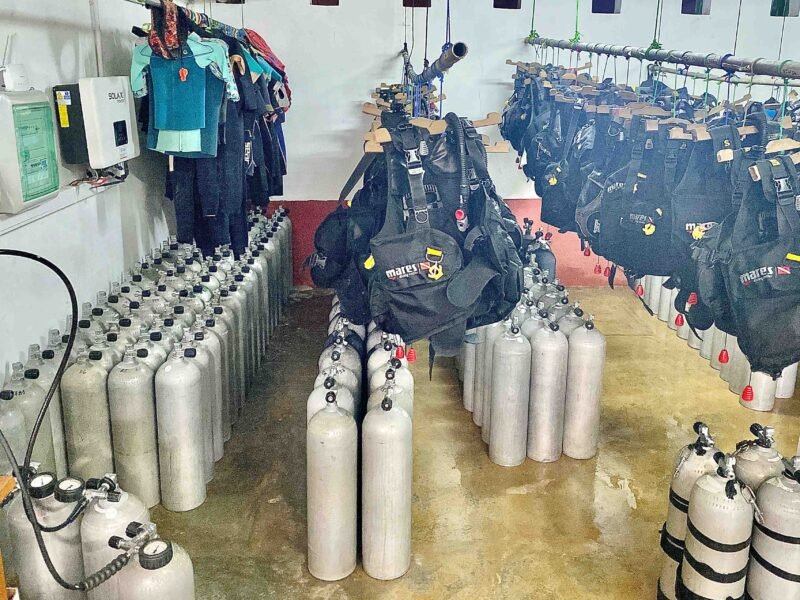
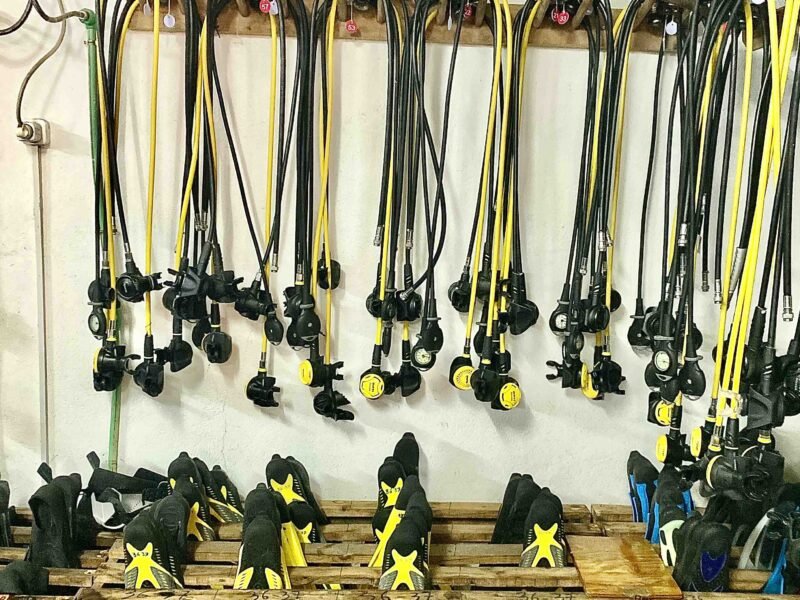
- Diving Equipment Provided: Mask, snorkel, fins, wetsuit, BCD, regulator, and tank.
- Training and supervision from experienced local dive instructors and coordinators.
- 24/7 support from the local team.
What’s Not Included
- Diving insurance (must be arranged before arrival and is required for certification).
- Lunches on Saturdays and Sundays (expect to spend $10–15 USD at local cafés or markets).
- Flights to and from Madagascar.
- Visa fees.
- Travel insurance.
- Personal expenses, souvenirs, snacks, or any activities not listed in the itinerary.
- Required medical check-ups, vaccinations, or documentation prior to travel.
Location
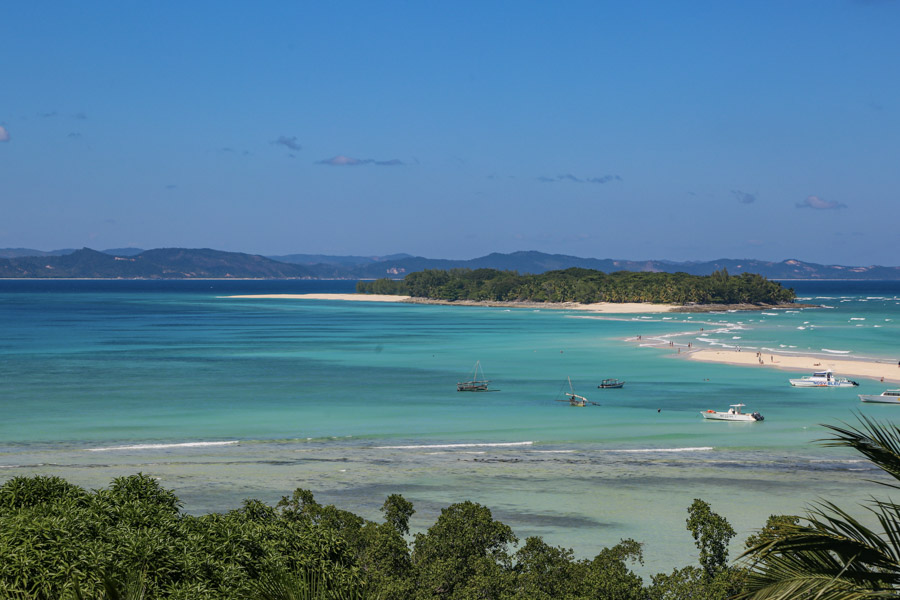
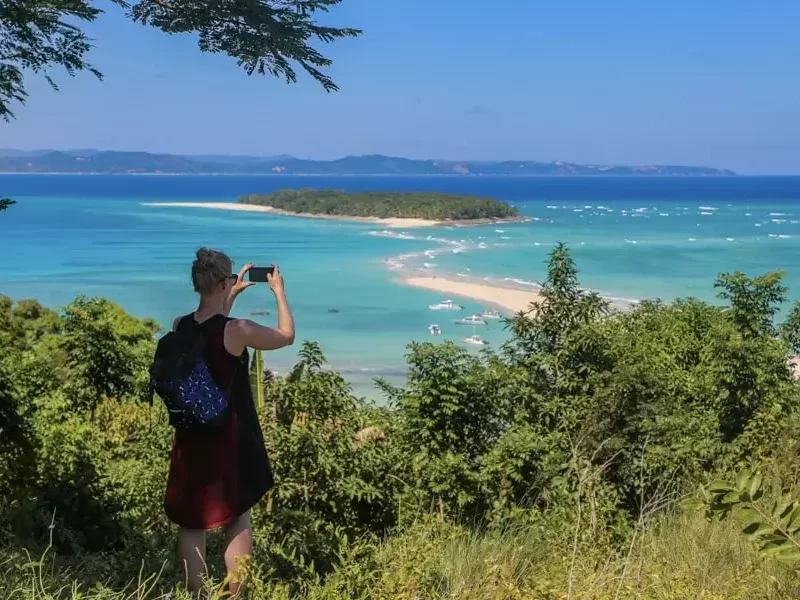
Nosy Be (meaning ‘big island’) is an absolutely stunning island off the north-west coast and is Madagascar’s largest and busiest tourist destination. The population is estimated around 73,010 and the island has an area space of 320.02 square kilometres.
On Nosy Be island you will find volcanic lakes, lemurs, rum distilleries, Ylang Ylang plantations and beautiful coral reefs. There is just so much to explore on this amazing island! In May, you can experience the 4 day Donia Music Festival. Situated on the Indian Ocean, on Nosy-Be island you can relax on the best white sand beaches, take a boat trip through the jungle, go trekking to see lemurs or snorkel alongside turtles and manta rays in the clear waters.
Project Aims
- Build Diving Foundations:
Equip participants with essential scuba diving knowledge and practical skills to achieve Open Water and Advanced Diver certifications. - Enhance Safety & Confidence:
Develop participants’ confidence in the water through structured pool sessions, open water dives, and rescue simulations supported by certified instructors. - Foster Marine Awareness:
Introduce participants to coral reef ecosystems, marine biodiversity, and responsible diving practices that support sustainable underwater exploration. - Promote Cultural Engagement:
Encourage respectful engagement with Malagasy culture through language learning, village visits, and immersive local experiences. - Support Personal Growth:
Offer an environment where participants can build resilience, independence, and teamwork through both physical challenges and group-based learning. - Encourage Lifelong Learning:
Inspire continued diving education and interest in marine environments beyond the program through certification, skills development, and exposure to global dive standards.
Food & Accommodation
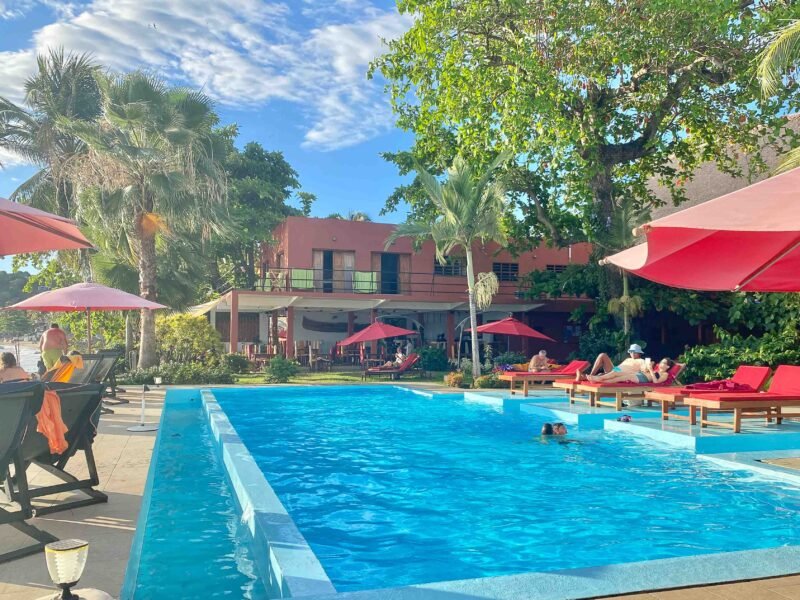
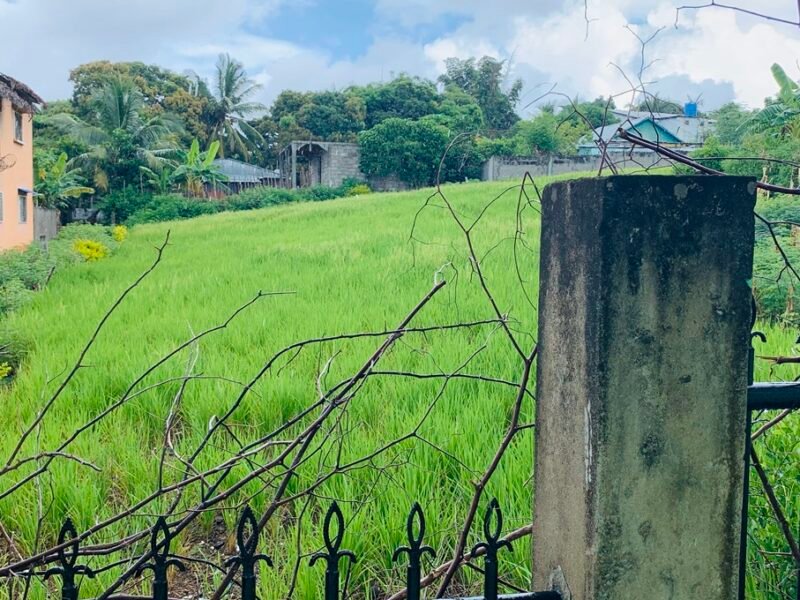
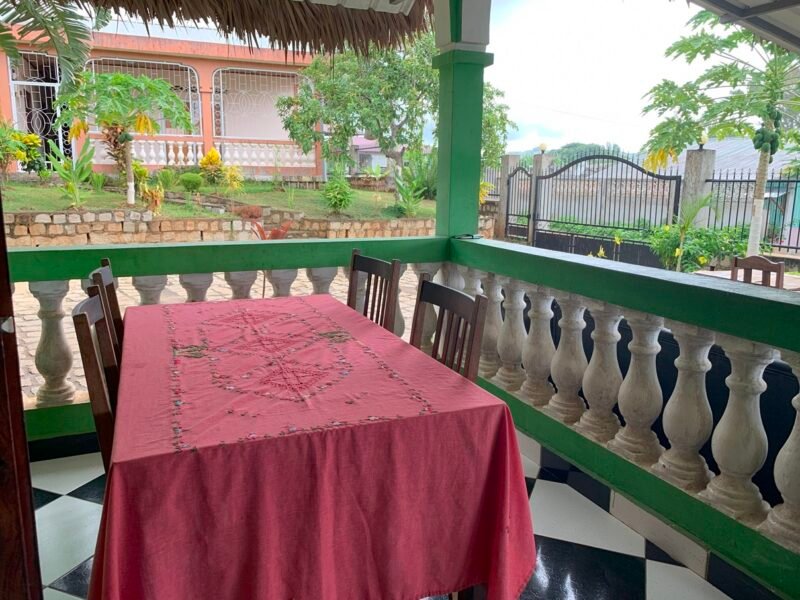
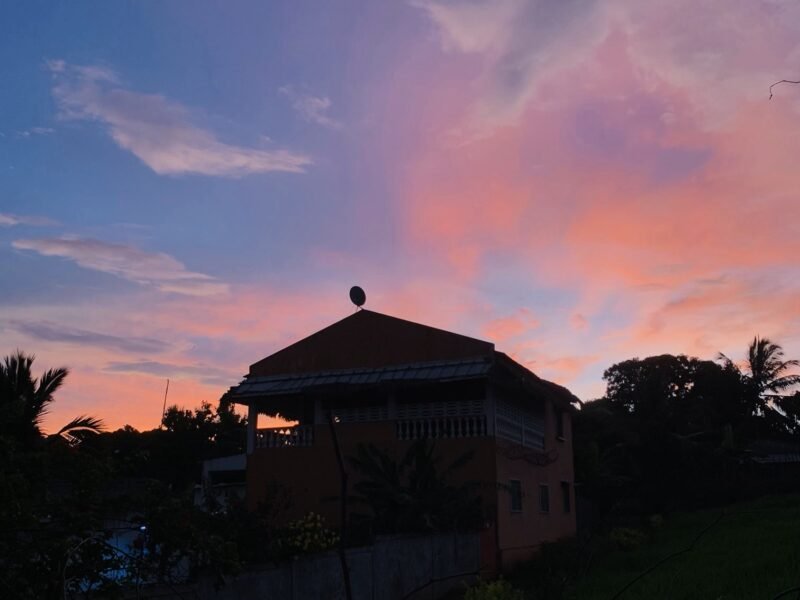
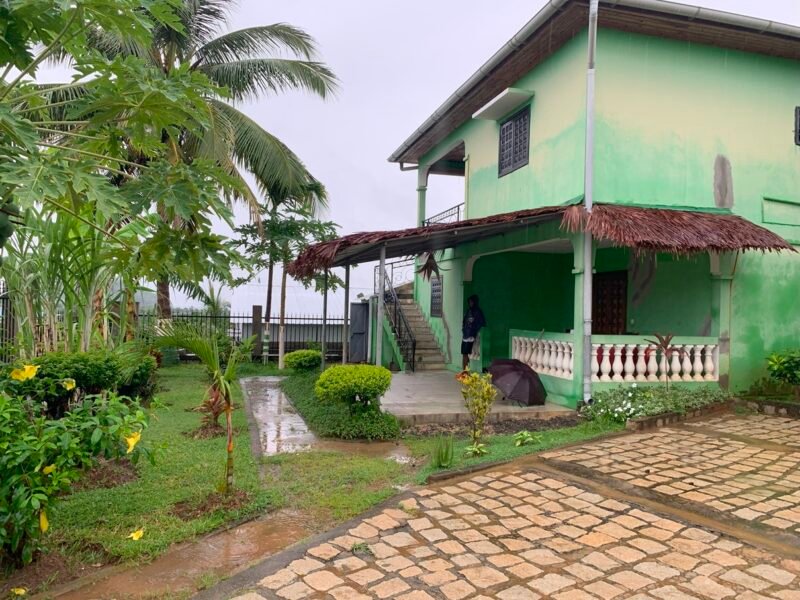
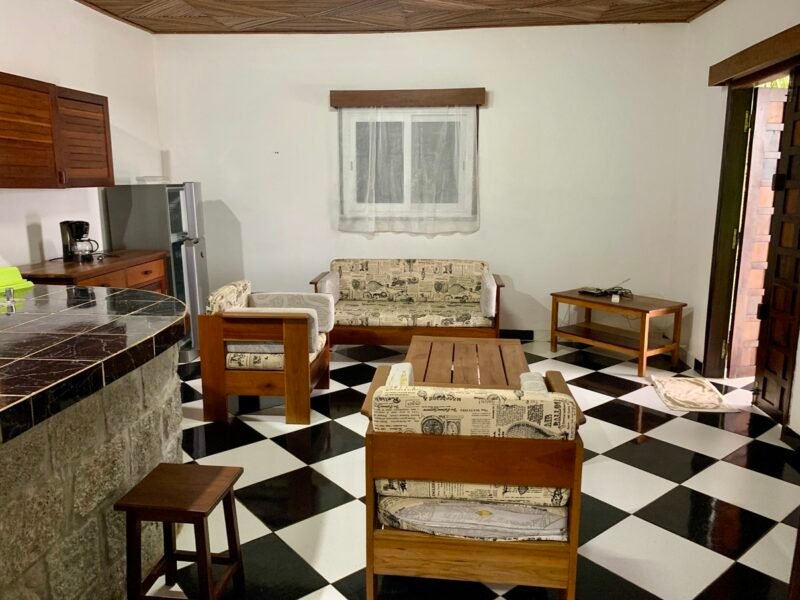
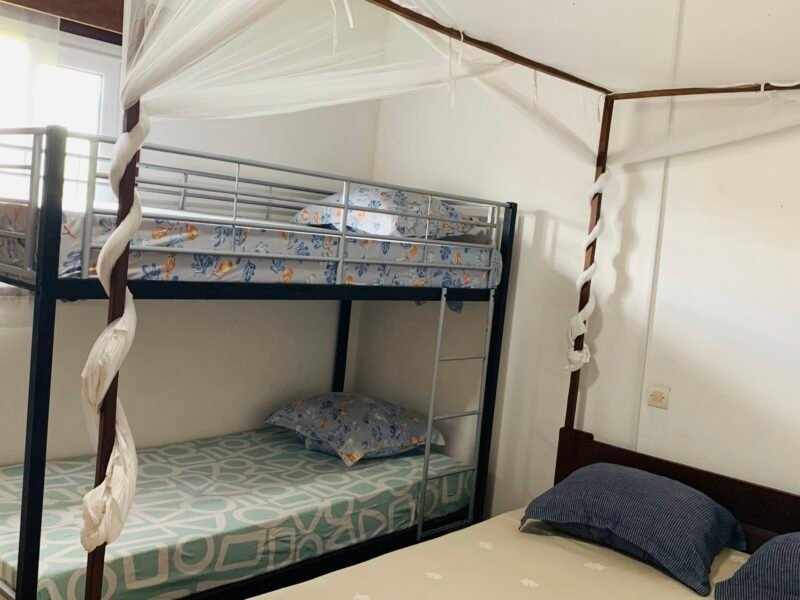
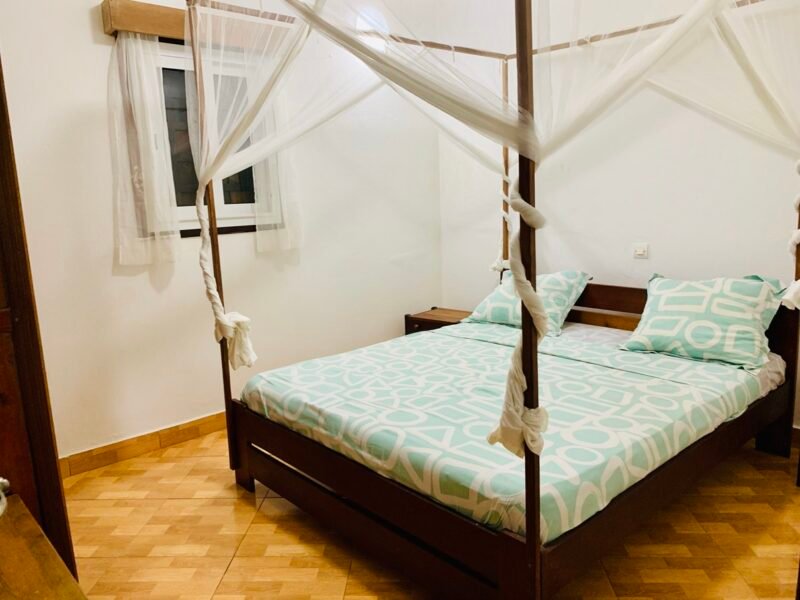
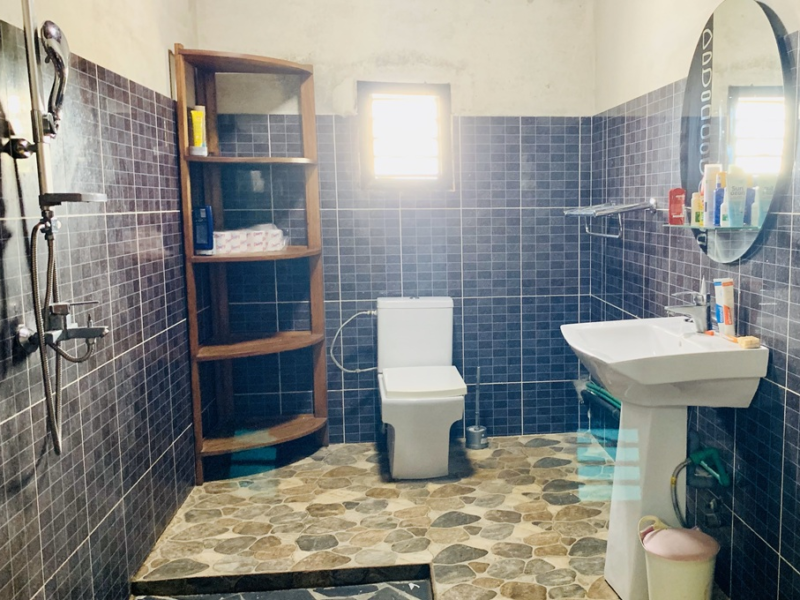
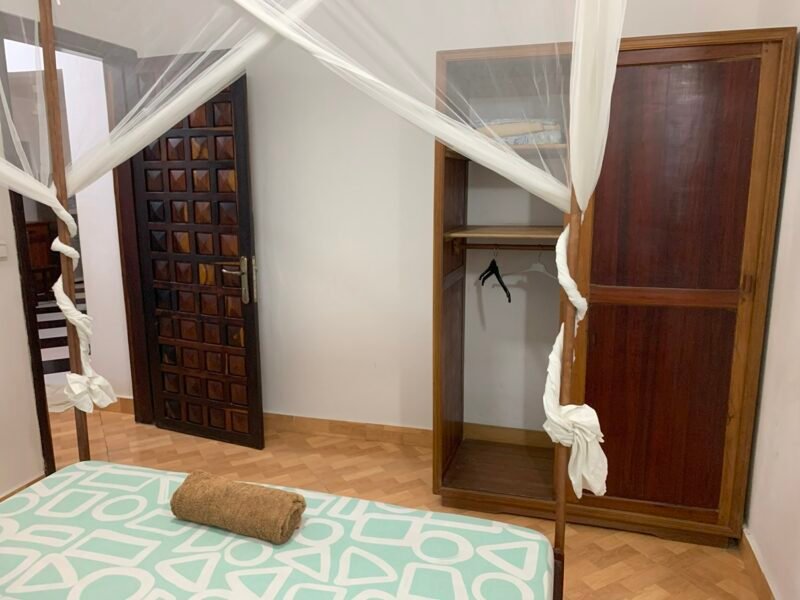
You will stay at our volunteer house, where there is a dining room and lounge area to socialise with fellow volunteers. There is also a beautiful garden to relax in during time off. A balcony and large roof terrace are also available for you to chill out in. Rooms are shared between 2-4 people, there are fans, bed linen, lockable rooms, and hot showers. There is no wifi but you are free to purchade a SIM card to get data.
There is a kitchen and refrigerator which you are welcome to use to store any food and drinks you require. An ATM and a supermarket around 15-20 minutes away by bus or Tuk-Tuk, from the volunteer house. The closest ATM to the house is about 20 minutes away by Tuk-Tuk from the accommodation, the closest local supermarket is around 10 minutes away by Tuk-Tuk, and the closest medical centre is around 15 minutes away by Tuk-Tuk.
*A private room may be available for an extra fee and subject to availability.
We provide three meals per day during weekdays and two per day on weekends. Your meals will be a mix of Western and Malagasy food, usually consisting of vegetarian dishes including rice and vegetables. You can also use the kitchen facilities to cook for yourself or eat out at any of the local restaurants at your own expense. If you are a picky eater or allergies, have dietary restrictions, or if you think that you will not be satisfied with the local dishes provided, you might want to consider supplementing our menu with your own western type foods and snacks that are more to your liking.
*Accommodation may be in our local centre or in close proximity, depending on availability and time of year.
FEES
Specialty
Nosy Be
- 3 Week Beginner Diving
- 2 Week Certified Diving
-
3 Week Beginner Diving- $2621
-
2 Week Certified Diving- $2100
What's Included
-
Accommodation
-
Meals
-
Airport Pickup
-
Local Transportation
-
1 Day Orientation
-
24/7 In-Country Support
-
Project Materials & Equipment
-
Pre-departure Expert Advice
-
Preperation Tools & Checklists
-
Certificate of Completion
FAQ...
- Due to the length and active nature of this program and as there are lots of outdoor activities under the heat of the sun, a decent level of fitness is required.
- Understand written and spoken English
- High level of energy and flexibility
- Able to cope with physically challenging conditions (late nights, hot weather and insects)
- Ability to learn and live with people of different backgrounds and nationalities
- Be flexible, thoughtful and respectful. You will be working with people of different nationalities/cultures and backgrounds.
- Accommodation
- 3 meals p/day weekdays / 2 meals p/day weekends
- Arrival airport transfer (Sat/Sun arrivals)
- Filtered drinking water, coffee & tea
- 1 day orientation
- Daily transportation to project
- In country 24/7 support & emergency assistance
- Fundraising support
- University course credits (where applicable)
- Certificate of Completion
- Airfares
- Travel Insurance
- Tours, Souvenirs & spending money
Programs begin every Monday, and volunteers are required to arrive the day prior, for orientation before the project. Your accommodation on the Sunday is included in the program fees.
A free airport pickup is included when arriving to Fascene Airport (NOS). You must arrive between the hours 08:00 to 20:00 on Sunday.
If arriving outside the pickup times,we charge an additional fee for any extra night’s accommodation before your program, and for a private transfer.
Alternatively, if arriving early you could wait at the arrival’s terminal for the pickup time, book accommodation at the airport and meet us during the pickup times or make your own way to the project (we will advise on how to do this).
From the airport to the accommodation it takes 30 minutes by road.
Week 1: Reef Dive Immersion
Sunday
Your Madagascar adventure begins with a warm welcome as you arrive at the Nosy Be airport. A team member will greet you and escort you to the program accommodation, giving you time to settle in and adjust to your tropical surroundings. In the evening, you’ll join fellow participants for a welcome dinner, giving you an opportunity to connect, relax and get excited for the diving experience ahead. This low-key day is all about easing into island life and preparing for the week to come.
Monday
After breakfast, you go over the team introductions, projects, center orientation, dos and don’ts, code of conduct, child protection policy, and media consent guidelines. A presentation on culture on Nosy Be and a basic Malagasy lesson thereafter
You will travel to Hell-Ville after lunch to access banking services, currency exchange, and mobile phone connections.
- Tuesday
Morning: Travel to the dive center, program briefing, and pool skill training
Afternoon: Theoretical session at the dive center
Evening: Rest and integration - Wednesday
Morning: First Open Water dive
Afternoon: Theory session
Evening: Data analysis and group debrief - Thursday
Morning: Second Open Water dive
Afternoon: Theory session
Evening: Data analysis and review - Friday
Morning: Final exam for Open Water certification
Afternoon and evening: Rest and recovery - Saturday and Sunday
Free days for optional exploration, beach time, or rest
Meals: Breakfast and dinner provided
Week 2: Dive & Theory Integration
- Monday
Morning: Advanced dive 1
Afternoon: Theory session
Evening: Data analysis and reflection - Tuesday
Morning: Advanced dive 2
Afternoon: Theory session
Evening: Data analysis and review - Wednesday
Morning: Advanced dive 3
Afternoon: Theory session
Evening: Data analysis and group sharing - Thursday
Morning: Final exam for Advanced Diver certification
Afternoon and evening: Free time and rest - Friday
Morning: Canoe crossing from Ambatozavavy to the village of Ampasipohy
Afternoon: Guided hike in Lokobe National Park and traditional village lunch
Evening: Return to accommodation and relax - Saturday and Sunday
Free days for relaxation or personal activities
Meals: Breakfast and dinner included
Week3: Rescue Diver & First Aid (React Right Certification)
- Monday
Morning: Rescue dive training
Afternoon: Theory session
Evening: Data analysis and reflection - Tuesday
Morning: Advanced dive
Afternoon: Theory session
Evening: Data analysis and review - Wednesday
Morning: Advanced dive
Afternoon: Theory session
Evening: Data analysis and group discussion - Thursday
Morning: Final exam and React Right first aid theoretical session
Afternoon and evening: Free time and rest - Friday
Morning: Visit to Lemuria Land (lemur sanctuary)
Afternoon: Swim at a freshwater cascade
Evening: Final evening at the accommodation - Saturday – Farewell Day
Morning: Farewell breakfast
Check-out and onward travel
***This schedule can be changed and/or amended depending on weather conditions, local conditions and unforeseen circumstances.***
The sun shines year-round here, with Nosy Be being a beach and sea lovers paradise, hosting incredible snorkelling and diving. Nosy Be is packed with activities to get up to during your free, the most popular is checking out the paradise beaches. Here are just a few of the stunning beaches you can visit:
- Palm Beach
- Andilana Beach
- Ambatoloaka Beach
- Andilana Beach
Wildlife lovers and adventure enthusiasts will certainly be at home in Nosy Be too. See if you can spot the diurnal and nocturnal native lemur species, count the unique bird species, see reptiles or indigenous plants, whilst trekking through the lush jungle. There are also scuba diving & snorkelling tours and inland boat trips.
Additional Requirements
The following are further necessary in order for both the participants, local staff and everyone involved to have a meaningful, enjoyable and safe community program
- Strong dedication to protecting wildlife and awareness of the need to increase youth awareness of the significance of improving the role of fauna and flora species in conservation in controlled environments
- Yellow fever vaccination is a mandatory requirement for all participants arriving in Madagascar if you are traveling from Yellow Fever countries..
- Older participants or over 65 years are required to have a medical clearance as proof of their physical fitness as they may perform various activities.
- Participants below 18 years old need a signed parental consent as proof of involvement of their children for the program. If possible, accompaniment by an adult is highly advised.
- Due to the length and active nature of this program and as there are lots of outdoor activities under the heat of the sun, a decent level of fitness is required.
- Understand written and spoken English
- High level of energy and flexibility
- Able to cope with physically challenging conditions (late nights, hot weather and insects)
- Ability to learn and live with people of different backgrounds and nationalities
- Be flexible, thoughtful and respectful. You will be working with people of different nationalities/cultures and backgrounds.
Additional Equipment
Clothing
- Comfortable clothes that you do not mind getting wet or dirty.
- Modest outfits covering knees and shoulders (respecting local customs)
- Comfortable walking shoes, sandals and water shoes/booties
- Sun hat, fleece sweater, and a windproof rain jacket (weather-dependent)
- Towel
- Swimwear
- Wetsuit (optional – gear is provided, but you may prefer your own)
- A pair of socks (recommended if fins are slightly loose)
Documents
- Passport (ensure it’s valid for at least six months beyond your stay)
- Flight information, insurance details, vouchers, visas, and vaccination certificates
Essentials
- Toiletries (travel-sized shampoo, soap, toothbrush, etc.)
- Day pack, small travel towel and reusable water bottle
- Money belt and bag locks for added security
- Personal entertainment (books, playing cards, music player, or e-reader)
- Sunscreen
- Hand sanitizer and face masks (if required)
- First-aid kit with essential medications, insect repellent and rehydration tablets
For information on holidays and any programs affected, please see the following link: MG – Holidays – All Programs
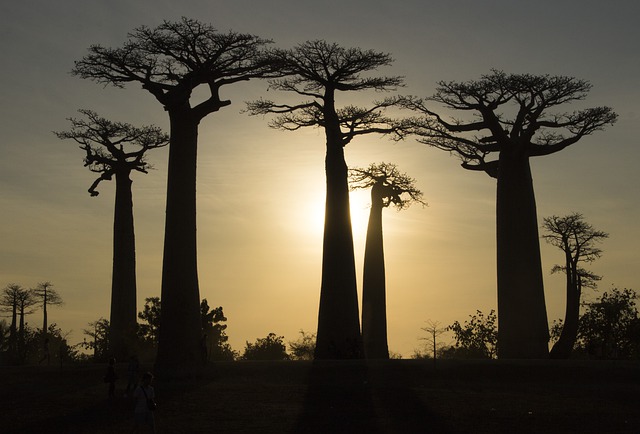
Madagascar is the world’s fourth largest island, known for its rich biodiversity and culture. This exotic country is home to some unique wildlife, including 101 different lemur species, 285 bird species (105 of which are unique to the country). You can also find 860 orchid species, that are native to the island, as well as 6 of the world’s 8 incredible baobab trees, found nowhere else in the world. Over 90% of Madagascar’s wildlife is native and cannot be seen in the wild anywhere else on earth. Human presence however, is constantly threatening these natural wonders.
Madagascar is a very culturally distinctive island, with 18 ethnic groups forming the Malagasy population, whose customs are based on the respect of their ancestors and the harmony of the living. The country also has many multi cultures, taking influence from Arabic, Chinese, Indian, French and English settlers.
Although being a large island, it is also a very poor country, with 75.3% of Malagasy living below the poverty line. The gap between the rich and poor is increasing more and more. Despite this poverty, Malagasy people are very much open-hearted to anyone and welcome visitors to explore their beautiful island and cultural heritage.
You will be greeted with smiles and friendly locals and can be sure that a trip to Madagascar will be the ultimate adventure! Not only will you discover an entirely new culture (think of it as a mix between African & Asian influences), you will also explore the incredible flora and fauna this island has to offer.
Madagascar has a hot, subtropical climate with cooler temperatures in the mountains. There are two main climate seasons: the rainy season from November to March and the dry season from April to October. The length of each season does vary from one region to another. As Madagascar is a large country, terrain, weather patterns and climate can change quite dramatically between regions.
Central Highlands
Because of the altitude, the temperature in the Central Highlands sits around 25°C. From June to August this goes down to a chilly 5°C. The wet season starts in November until March or April but is also the warmest season in the Highlands, with an average of 28° / 30°C.
Northern Madagascar
There are several climatic zones in Northern Madagascar.
On the North-Western coast around Mahajanga, there are two distinct seasons, a dry and warm season from May to November and a hot and wet season from December to April, with temperatures reaching over 35°C. Around Ambanja and Nosy Be, there is a micro-climate with wet and dry seasons, although rainfall is more evenly dispersed throughout the year. Temperatures are warm all year round, with an average of 28°C.
Southern Madagascar
The rains start from January to March. The rest is almost completely dry, especially on the South-western coast from Toliara. Around Fort-Dauphin, there can be a little more rain, but still very dry. It gets really hot from February to May and between October and December. The most pleasant period is during the winter, from June to September, with temperatures around 25°C.
Eastern Madagascar
Eastern Madagascar is known for consistent rainfall, although this decreases when moving southwards. The driest season is from August to December, but still with downpours almost every day. February to March is cyclone season with heavy rain, so best to avoid. March, April and December are the warmest months with an average temperature of 30°C. Temperatures are cooler throughout the rest of the year, sitting between 20°C to 28°C, and nights being a little cooler.
Western Madagascar
From May to November is dry season with little rain and pleasant temperatures from 20°C to 25°C. Wet season is from December to April, and it rains heavily, depending on the area. The warmest months are March and April and November and December, with an average temperature of 30°C or more.
In general, the best months to visit Madagascar are between April to mid-December.
January to March is cyclone season, so we would advise against travelling to Madagascar during this time.
Heavy rains can still be expected in April, May and June, but between these showers there’s sunshine. However, the wet season does make the landscape lush and green, with wildlife such as lemurs and reptiles often visible.
July to August is a great time to spot humpback whales as they arrive in Ile St Marie. The weather is cool and dry, making this a pleasant time to explore. During September, Humpback whales can still be seen in Ile St Marie, whilst lemurs begin to give birth to their babies.
In October, temperatures begin to increase around the country, but you will see colourful purple jacarandas in bloom. From November to December, temperatures continue to increase, as well as an increase in rainfall. At this time lemurs, reptiles and tenrecs can often be spotted.
Some of Madagascar’s people, such as the Indonesian-looking Merina’s, are believed to be descendants of sailors from Indonesia and Malaya, who reached the island by travelling over the Indian Ocean. These Asian migrants introduced their beliefs to the country, as well as their rice-based diet.
There is also an African and Arab influence in the population. Arab merchants and African migrants travelled to Madagascar centuries ago and include the Arabic Antaimoro people in the east of the island and the Sakalava to the west. The Malagasy language includes several Bantu and Swahili words.
Today, there’s 18 diverse ethnic groups living in Madagascar. These include Merina, Betsimisaraka, Betsileo, Tsimihety, Antaimoro and Sakalava. Despite the ethnic variety, Malagasy people share a common culture and language.
The Malagasy language has Asian origin, similar to the language spoken in Borneo. The dialect is very poetical, descriptive and rich in metaphors. For example, where we might say “dusk”, the Malagasy will say “maizim-bava vilany” which means “when the mouth of the cooking pot is dark”.
The Asian-African origin of the island’s inhabitants has led to a unique and distinguished culture, with a multitude of set beliefs and customs.
One of the main beliefs is in the power of dead ancestors, or “razana”. These spirits are believed to still look after their descendants even after they have passed. The wishes of these ancestors are to be respected and obeyed. Because of this, families and communities have certain taboos known as “fady”, like avoiding certain actions to ensure the approval of the “razana”.
30 Years Non Profit Experience
IVI is an Australian charity & non profit organisation founded in 1989 and is one of the pioneers of overseas volunteering successfully placing over 20,000 volunteers globally.
Affordable Volunteer Travel
Safe & Responsible Projects
Work Experience & University Credits
Spotlight on Madagascar!