WHY we need you in Nepal
- Around 25% of the population in Nepal are living below the poverty line.
- Malnutrition is particually evident in children under 5, with 36% enduring stunting.
- Children from poor families have low attendence at school, with 1 in 4 of the poorest not going to school at all.
- Nepal can experience natural disasters, such as earthquakes. This can severly impact the local structures and roads.
- Much of Nepal's population lacks access to basic medical care.
HOW can you help?
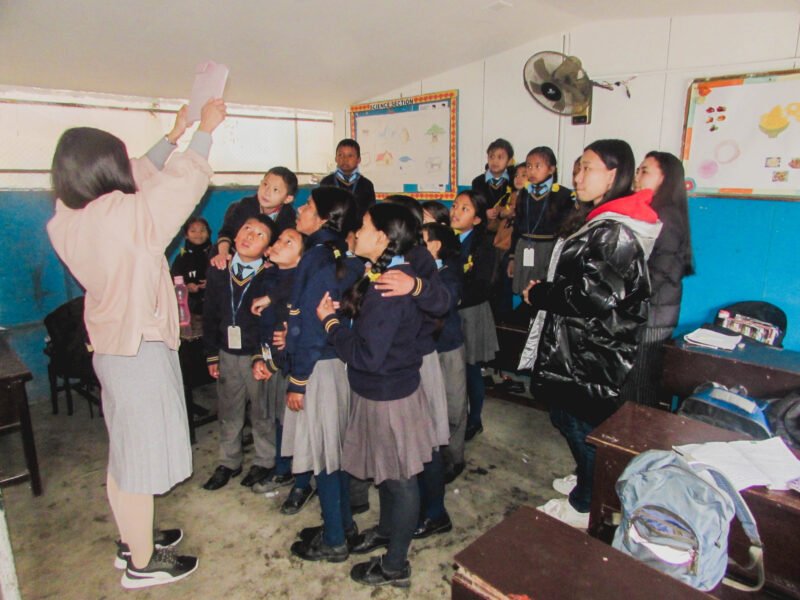
- Teach basic health education in schools, monasteries, and community programs
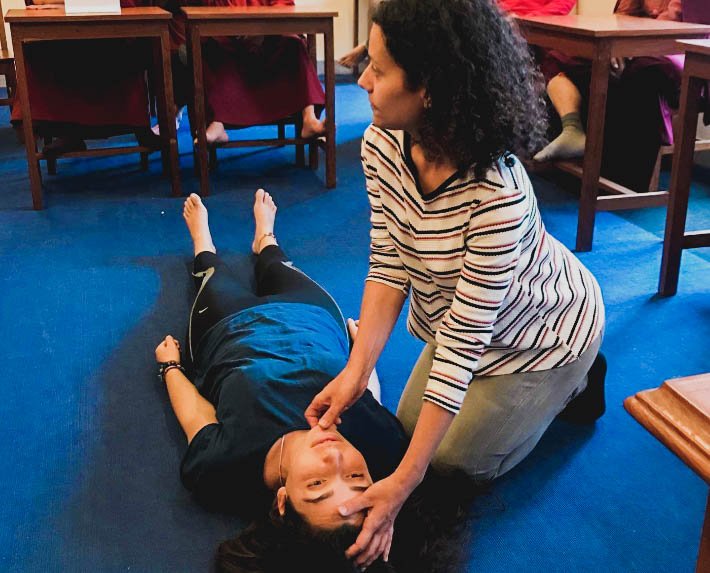
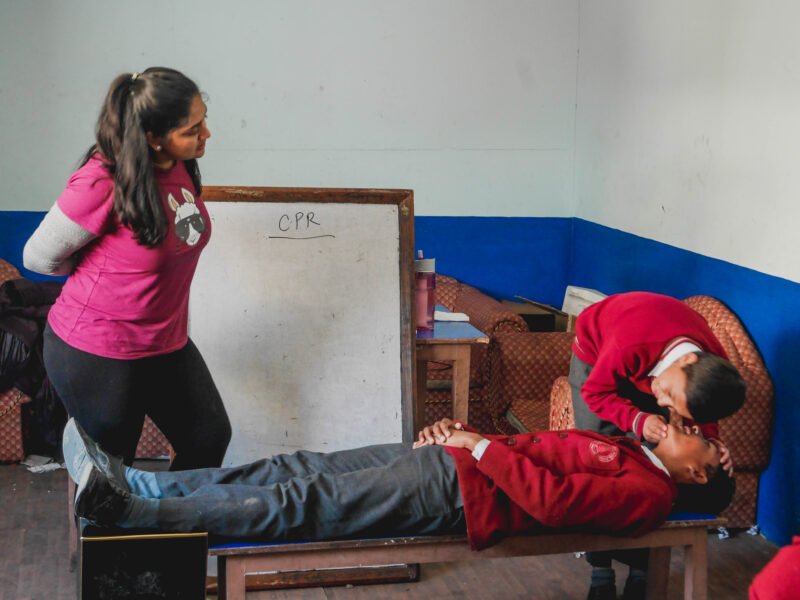
- Lead interactive workshops on hygiene, first aid, and nutrition
- Empower students and community members to make healthier choices
- Gain hands-on experience in public health and community outreach
WHAT you can do?
- Work with diverse age groups, from young children to adults
- Plan and lead engaging health education sessions
- Adapt lessons for different audiences, including children, monks, and women’s groups
- Use interactive methods like games, role-playing, and demonstrations to make learning fun and effective
Why Involvement Volunteers International?
- Non Profit Organisation & Charity
- Over 30 Years Expertise Globally
- Low Program Fees - From US$295
- Excellent Safety Record, In-Country 24/7 Support & Emergency Assistance
- 1 Application Fee - Multiple Countries
PROJECT NAME: HEALTH EDUCATION
LOCATION: KATHMANDU, NEPAL
START DATES: WEEKLY (SAT/SUN ARRIVALS)
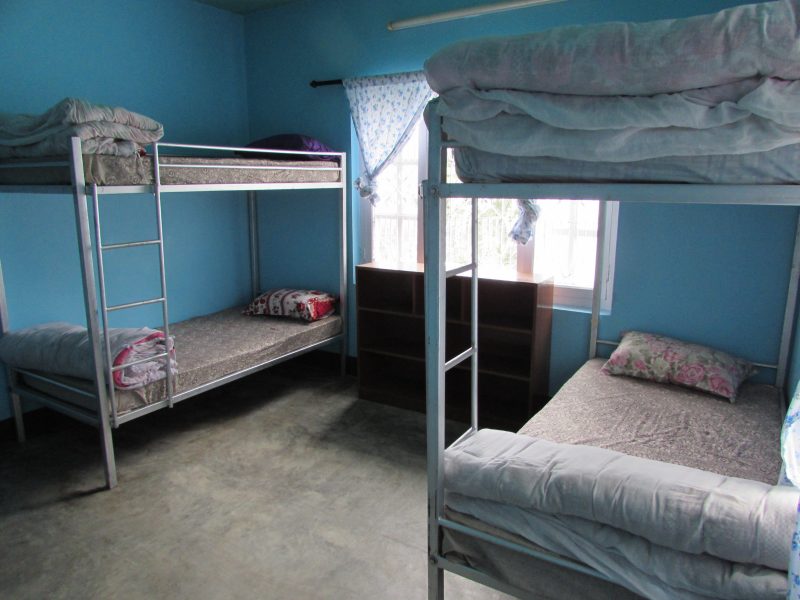
ACCOMMODATION: VOLUNTEER HOUSE (SHARED ROOMS)
H MIN DURATION: 1 WEEK
MIN AGE: 18+
SPECIAL REQUIREMENTS: HEALTHCARE (OR RELATED) PROFESSIONAL OR STUDENT, Criminal background check required


Overview
Health education plays a vital role in improving quality of life and supporting long-term community development in Nepal. Many people still lack access to accurate health information, making educational programs critical for encouraging preventative care and healthier lifestyles.
This program is designed to equip individuals with the practical knowledge and skills they need to make informed health decisions. As a volunteer, you’ll help raise awareness and provide essential education to students, teachers, and local community members on how to prevent illness, maintain good hygiene, and handle emergency situations.
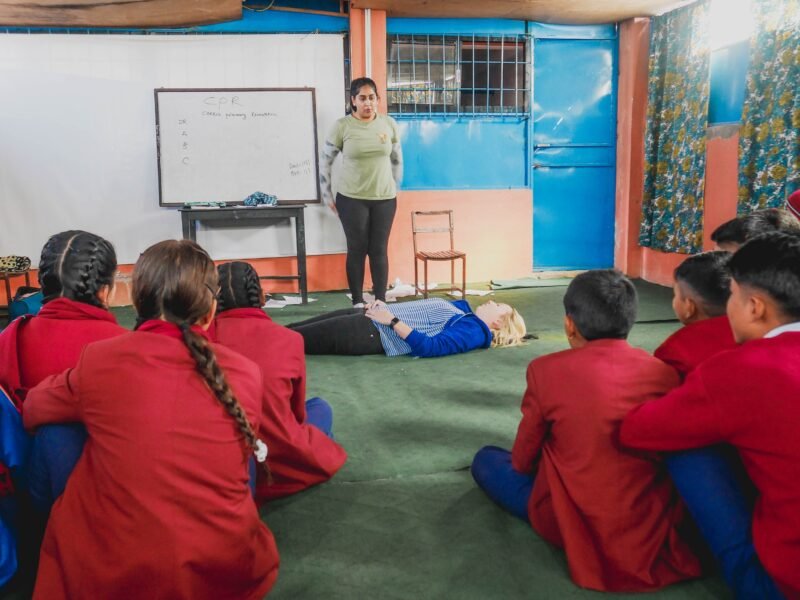
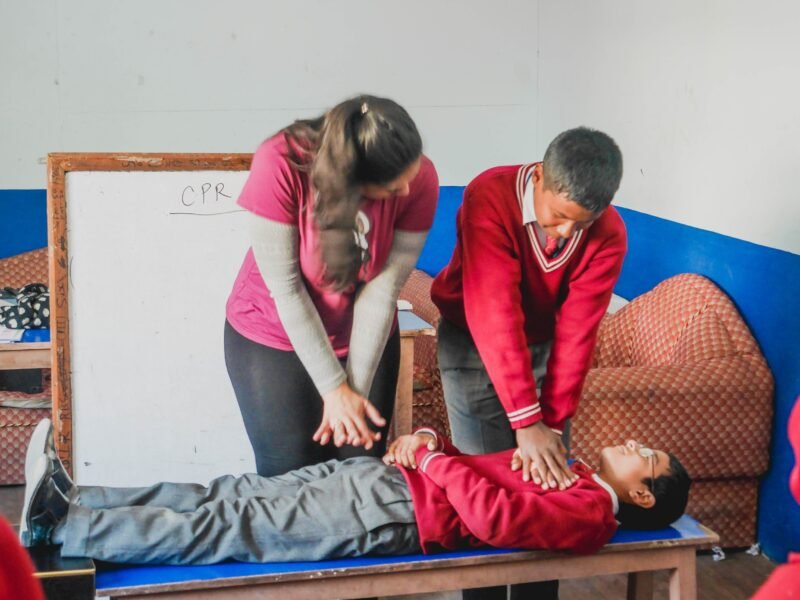
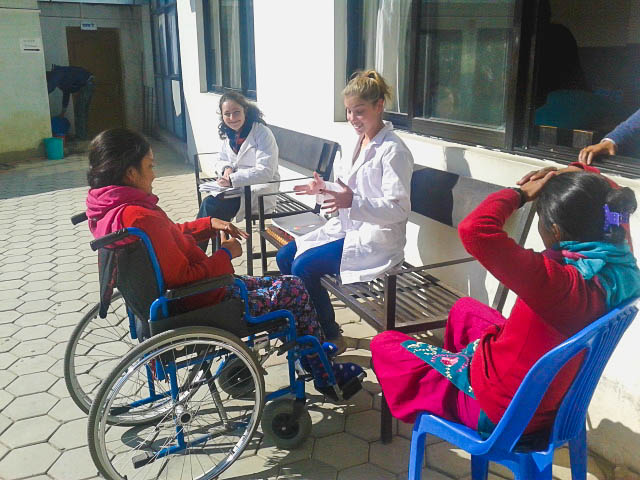
You’ll deliver engaging health workshops in a variety of settings, including schools, kindergartens, monasteries, and women’s empowerment groups. Topics may include:
- Sanitation and Hygiene (handwashing, oral care, personal hygiene)
- Basic First Aid and Emergency Response
- CPR (Cardiopulmonary Resuscitation)
- Nutrition and the Food Cycle
By sharing this knowledge, you’ll empower others to live healthier lives and be better prepared in emergencies, potentially saving lives through the skills you teach.
Program Highlights
- Deliver essential health education in schools, monasteries, and community centres
- Lead hands-on workshops covering hygiene, first aid, and nutrition
- Help community members make informed, healthy lifestyle choices
- Gain valuable experience in public health and grassroots education
- Work with a wide range of age groups, from children to adults
- Use fun, creative teaching techniques to engage and inspire
Your Role as a Volunteer
As a volunteer on this program, you will:
- Plan and lead fun, educational health sessions tailored to different groups
- Teach key topics like hygiene, first aid, nutrition, and disease prevention
- Adapt your lessons to suit children, monks, or women’s groups
- Use games, role-plays, visuals, and interactive methods to make learning effective
- Encourage the adoption of healthy habits and basic emergency care
- Work closely with teachers, monks, and local leaders to ensure meaningful impact
Being well-prepared is important! Before each session, you’ll be encouraged to plan activities suited to the age and learning levels of your audience. With a variety of environments and audiences, flexibility and creativity are key to delivering impactful and enjoyable lessons.
Location
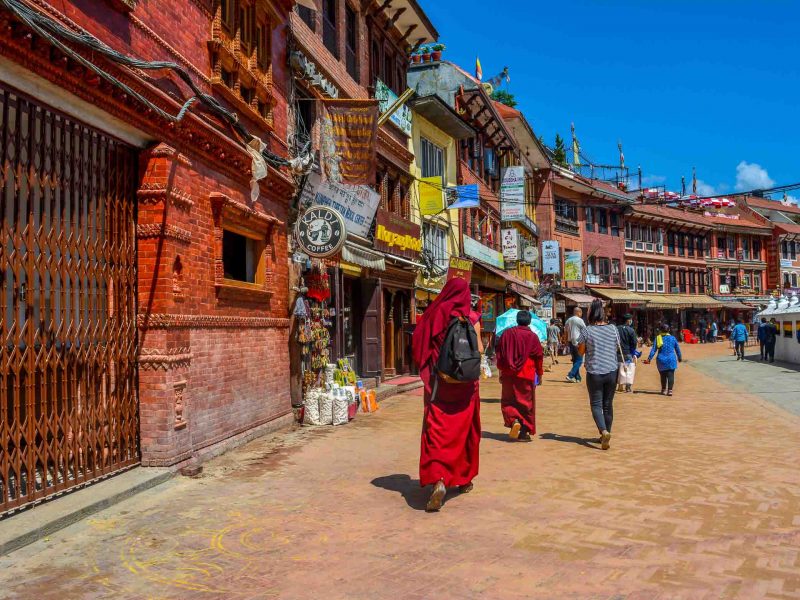
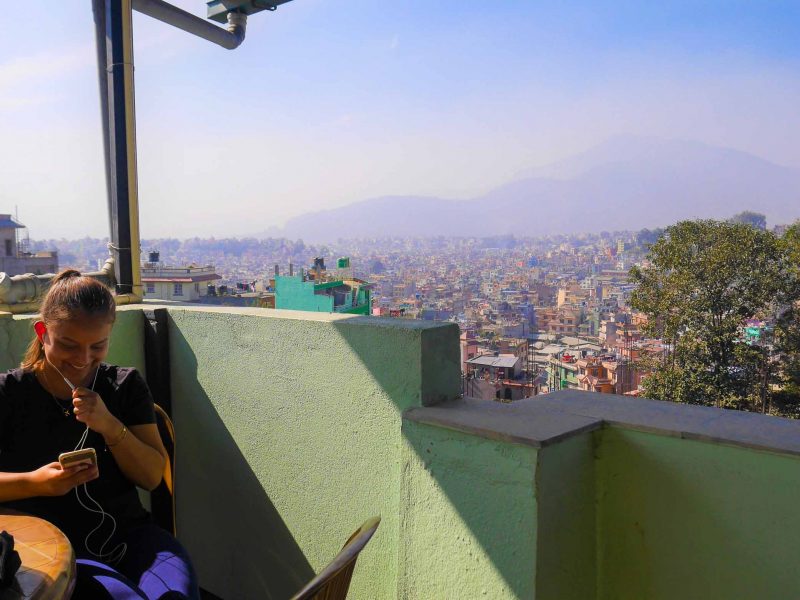
Kathmandu, the capital and largest city in Nepal, is an incredible place! The contrast of decaying buildings, smell of incense, street sellers, historic temples and incredible mountain views will invigorate your senses and keep you inspired to learn more about the amazing history and culture. For several hundred years, Kathmandu was one of three rival royal cities, along with Bhaktapur and Patan. The highlight of Kathmandu has long been Durbar Square, the largest of the palace squares in the three royal cities and a UNESCO World Heritage Site. Temples and monuments of varying shapes, sizes, styles, and faiths can be found here. This small, mountain-sheltered valley is the historical centre of Nepal, a place where kingdoms rose and fell, where palaces and temples were built and rebuilt, and where Nepali art and culture was developed and refined.
Project Tasks
- Adapt lessons for different audiences, including children, monks, and women’s groups
- Use interactive methods like games, role-playing, and demonstrations to make learning fun and effective
- Encourage students to adopt healthy habits and understand basic emergency care
- Collaborate with teachers, monks, and community leaders to maximize impact
Food & Accommodation
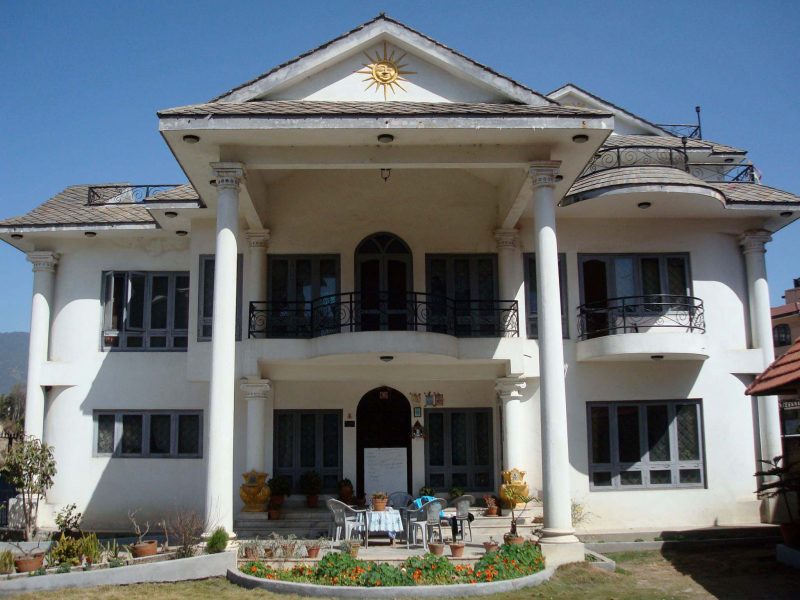
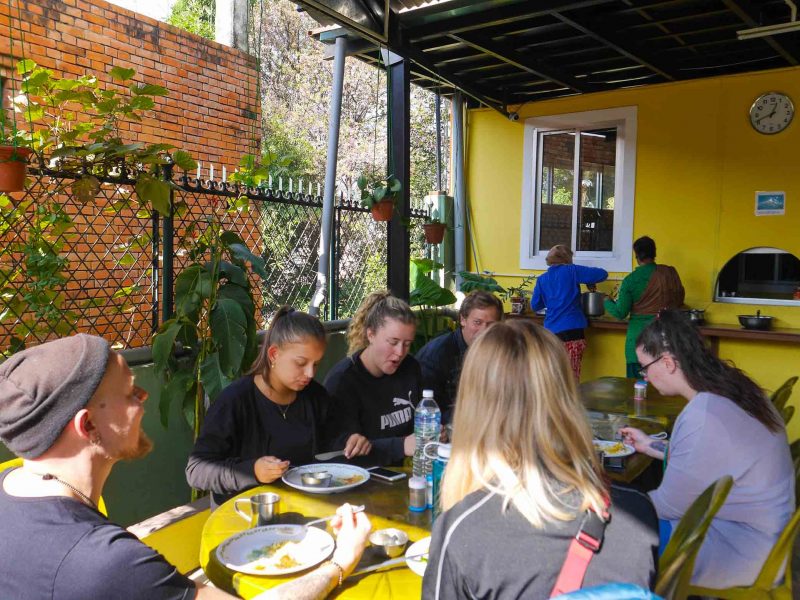
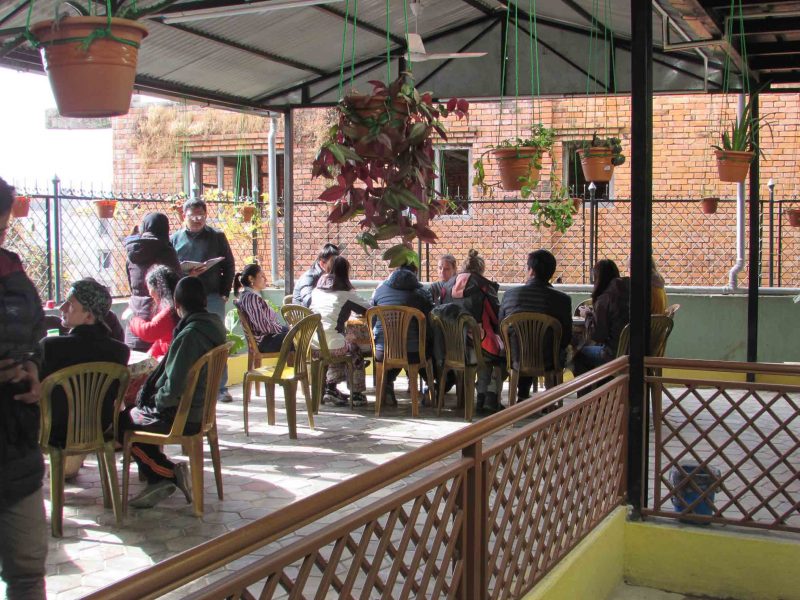
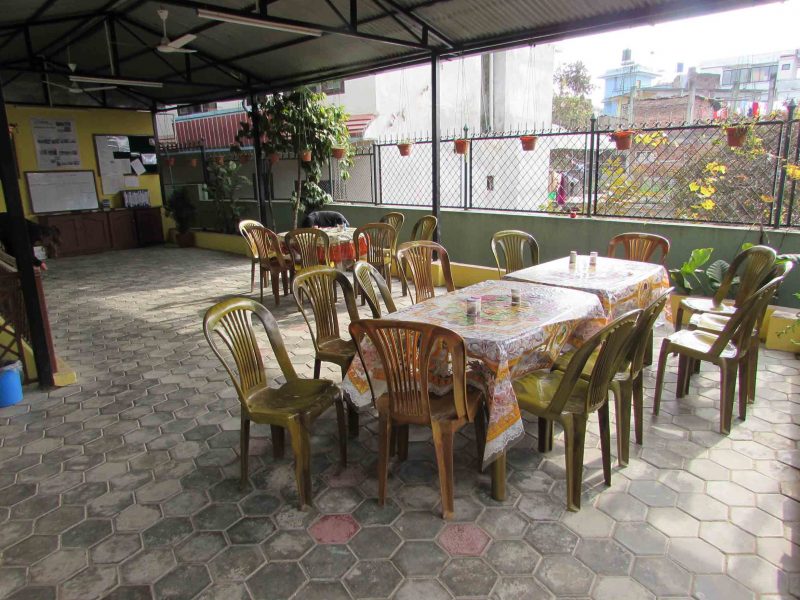
Located in the heart of Kathmandu, about 1 hours drive from the airport, with 4-6 people sharing one room (single gender rooms). They have modern bathrooms; a modern kitchen and dining room, mini library, a fully furnished living room, wifi, TV, computer, DVD player, fans, live-in staff on call 24/7, a garden complete with a comfortable covered area and 24/7 security. Centrally located, there are several gym’s nearby as well as local supermarkets, ATM’s, mobile phone shops etc.
*For couples or those wanting more privacy, there are upgrade accommodation options available for an additional cost. This must be booked well in advance and is subject to availability.
You will be provided with three meals a day on weekdays and two meals per day on weekends. The meals are a mix of Western and Nepalese food, consisting mainly of vegetarian dishes including rice and vegetables. You can expect to have a chicken dish about once per week. You can also choose to eat out at any of the local restaurants.
*Accommodation may be in our local centre or in close proximity, depending on availability and time of year.


Internships
& Monestary
- Medical Hospital & Nursing Internship
- Physiotherapy Internship
- Buddhist Monestary Teaching
- Dental Internship
- Veterinary Medicine
- Health Education
-
1 Week - $430
-
2 Weeks - $640
-
3 Weeks - $920
-
1 Month - $1240
-
2 Months - $2340
-
3 Months - $3460
What's Included
-
Accommodation
-
Meals
-
Airport Pickup
-
Local Transportation
-
1 Day Orientation
-
24/7 In-Country Support
-
Project Materials & Equipment
-
Pre-departure Expert Advice
-
Preperation Tools & Checklists
-
Certificate of Completion
Testimonials...
FAQ
You will need an academic qualification in healthcare or related field, or be studying some form of healthcare/nutrition.
- Accommodation
- 3 meals p/day weekdays / 2 meals p/day weekends
- Arrival airport transfer (Sat/Sun arrivals)
- Filtered drinking water, coffee & tea
- 1 day orientation
- Daily transportation to project
- In country 24/7 support & emergency assistance
- Fundraising support
- University course credits (where applicable)
- Certificate of Completion
- Airfares
- Travel Insurance
- Tours, Souvenirs & spending money
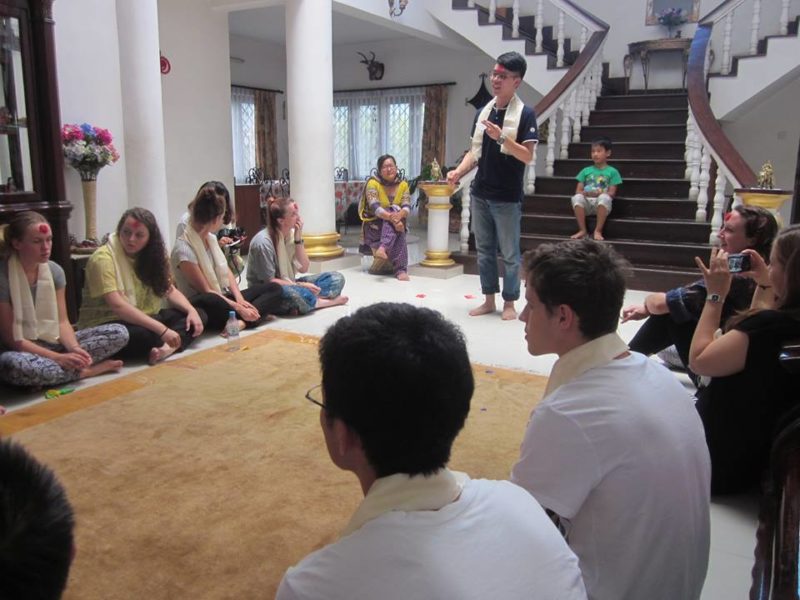
- Introduction meeting, General rules, Setting Expectations, Advice on Health and Safety and insuring you have all your documents.
- Do’s and Don’ts, Cultural introduction, learning about the countries history
- Tour around the accommodation and local area.
Programs begin every Monday, and volunteers are required to arrive the day prior, for orientation before the project. Your accommodation on the Sunday is included in the program fees.
A free airport pickup is included when arriving to Tribhuvan International Airport (KTM). You must arrive between the hours 06:00 to 24:00 on Sunday.
If arriving outside the pickup times, you can book a private transfer or extra night for an additional fee.
Alternatively, if arriving early you could wait at the arrival’s terminal for the pickup time, book accommodation at the airport and meet us during the pickup times or make your own way to the project (we will advise on how to do this).
From the airport to Kathmandu accommodation, it takes 45 minutes by taxi.
Monday to Friday
- You can expect to work from 10:00 – 16:00, with a 1-hour lunch break.
- You will be joining the program in different Schools, Monasteries Kindergartens and women empowerment as per requirements and program plan.
- Your tasks and activities will vary based on your skill levels and experience. You can discuss with your coordinator about the tasks and activities you are going to execute during the week.
***This schedule can be changed and/or amended depending on weather conditions, local conditions and unforeseen circumstances.***
The weekends are always open for your leisure. The local team will assist you in organising additional travel plans with heaps of local knowledge. Shopping in Kathmandu is an experience all its own. Thamel, Kathmandu’s tourist hotspot, is where shoppers can find Nepalese, Tibetan and Indian artifacts, woodcarvings, handicraft and an assortments of unique clothing and apparel. There are also several malls where you can find fashionable clothing and grocery stores, offering everything from wine to breakfast cereals. There are numerous dining options available throughout the city, including Italian, Indian, Thai, Korean and Chinese in addition to a variety of local cuisine.
Additional Equipment
Clothing
- Modest clothing (covers knees and shoulders)
- Comfortable walking shoes, sandals, water shoes
- Sun hat, fleece sweater, windproof rain jacket (depending on weather)
Documents
- Passport
- Flight info, insurance, vouchers, visas, and vaccination certificates (with photocopies)
Health & Safety:
- Hand sanitizer, face masks (if required)
- First-aid kit (medications, sunscreen, insect repellent, rehydration tablets)
Essentials:
- Toiletries (shampoo, soap, etc.)
- Day pack, small travel towel, reusable water bottle
- Moneybelt locks for bags
- Personal entertainment (books, cards, music player)
For information on holidays and any programs affected, please see the following link: NP – Holidays – All Programs
Nepal is one of the most beautiful and culturally rich countries in the world. Nepal first opened its borders to outsiders in the 1950s. It is home to Mount Everest, the birthplace of Buddha, and an astonishingly beautiful landscape, ranging from the well-known peaks of the Himalaya to the low-lying regions of the Terai.
The Nepali people are as diverse at the geography, with over 70 languages or dialects and scores of traditional festivals celebrated throughout the year.
However, Nepal is also one of the most under-developed countries in the world, with low rates of literacy, high rates of poverty and a persistent gender imbalance. The government is frequently unable to provide adequate education and health facilities throughout the country and both urban and rural areas are forced to live without necessary resources to promote growth and development of their communities.
Nepal is a year round destination, and the cliate can vary between the North and South regions. The best overall times to visit are during spring and autumn (particually for trekking).
December to Febuary is winter, and it can get extremely cold in the mountains (down to sub zero). Summer in this region has a pleasent temperature but still bring some warmer clothing for the evenings.
Summer in southern Nepal can get extremely hot (plus 40°C) in some areas. Winter temperatures in this area can range from 7°C to 23°C.
Kathmandu has a pleasent climate on average. The monsoon rains start from June to September in Nepal.
The majority of Nepalis are either Hindus or Buddhists, but there are many other religions here too like Islam, Christianity, Jainism and Sikhism. You will find many temples and monasteries around Nepal. The right hand is used for important things such as passing money, eating and the giving of gifts.
Nepalese people love their food and much of it has been influenced by Indian and Tibetan cultures. Nepali people have a lot of respect for elders and will call each other didi (“older sister”), bahini (“younger sister”), etc, even if they are not actually related. The family unit is very strong and having a close knit family is important for the local people.
30 Years Non Profit Experience
IVI is an Australian charity & non profit organisation founded in 1989 and is one of the pioneers of overseas volunteering successfully placing over 20,000 volunteers globally.
Affordable Volunteer Travel
Safe & Responsible Projects
Work Experience & University Credits
Weekends & Extra Tours
Involvement Volunteers International