WHY we need you in Vietnam
- Although improving, around 10% of the population in Vietnam sits below the poverty line
- In 2016 around 30% of the rural population in Vietnam did not have access to clean water
- Although Vietnam is doing better then some South East Asian countries, it does still suffer from a malnutrition problem in children below 5 years of age
- 24.2% of women in Vietnam are believed to have anaemia, and around 5.5% of men have diabetes
HOW can you help?
- Contribute to environmental conservation by reducing waste in a coastal city impacted by tourism and development.
- Empower local women through support of fair employment and artisan training.
- Support education through scholarship funding for ethnic minority children.
- Promote green awareness by helping turn discarded items into symbols of sustainability.
WHAT you can do?
- Collecting and transporting recyclable materials (glass, fabric, rubber, plastic, tarps).
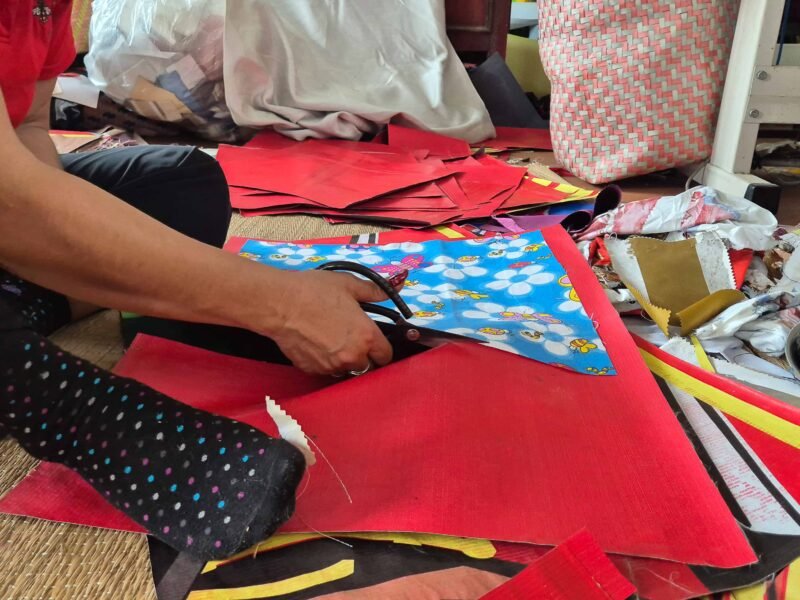
- Cutting and shaping materials for product-making.
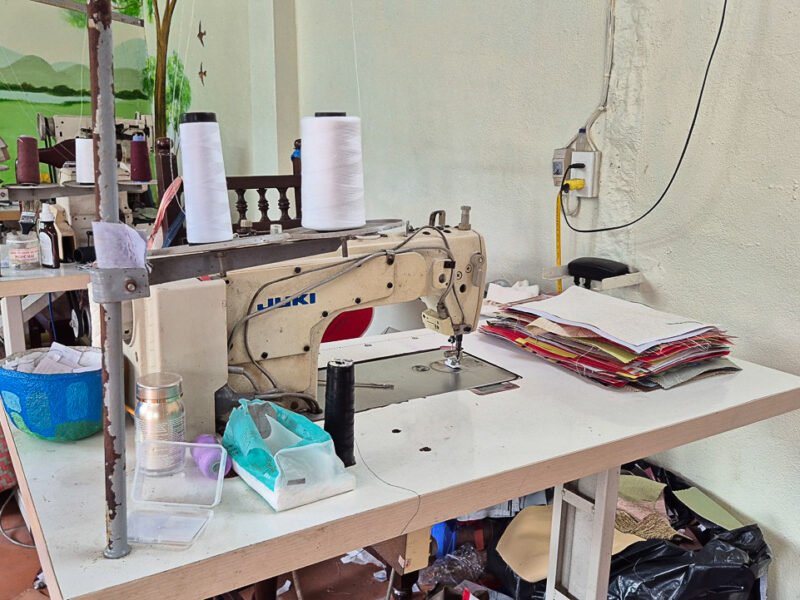
- Assisting in crafting handmade items such as bags, mats, and furniture.
- Decorating or finishing products with creative designs or logos.
Why Involvement Volunteers International?
- Non Profit Organisation & Charity
- Over 35+ Years Expertise Globally
- Low Program Fees - From US$295
- Excellent Safety Record, In-Country 24/7 Support & Emergency Assistance
- 1 Application Fee - Multiple Countries
PROJECT NAME: UPCYCLING & RECYCLE
LOCATION: HA LONG BAY
START DATES: WEEKLY (SAT/SUN ARRIVALS)
ACCOMMODATION: VOLUNTEER HOUSE (SHARED ROOMS)
MIN DURATION: ONE WEEK
MIN AGE: 16+
SPECIAL REQUIREMENTS: Criminal background check required


Overview
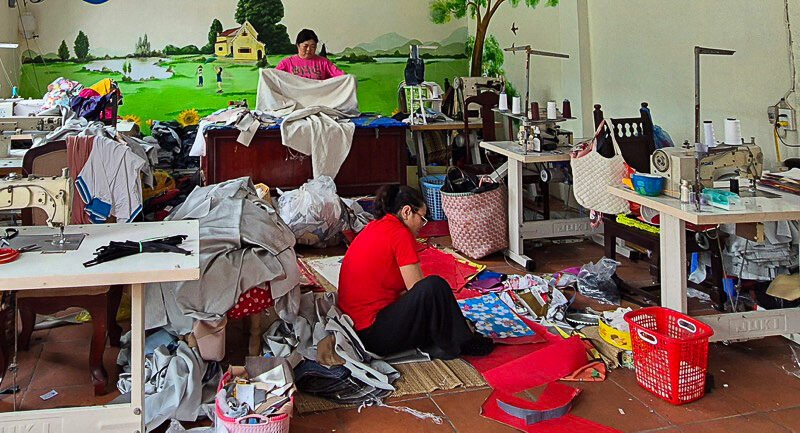
While Ha Long Bay is world-renowned for its striking natural landscapes, the region is grappling with growing environmental stress caused by fast-paced urban development and booming tourism. This volunteer program tackles these issues by teaming up with a women-led local cooperative focused on reducing waste through innovative reuse and upcycling.
Here, recycling and upcycling go far beyond waste reduction—they’re catalysts for positive social impact. By diverting waste from landfills, the project raises environmental consciousness, provides dignified employment for local women, and funds educational scholarships for children from ethnic minority groups living in Vietnam’s remote highlands.
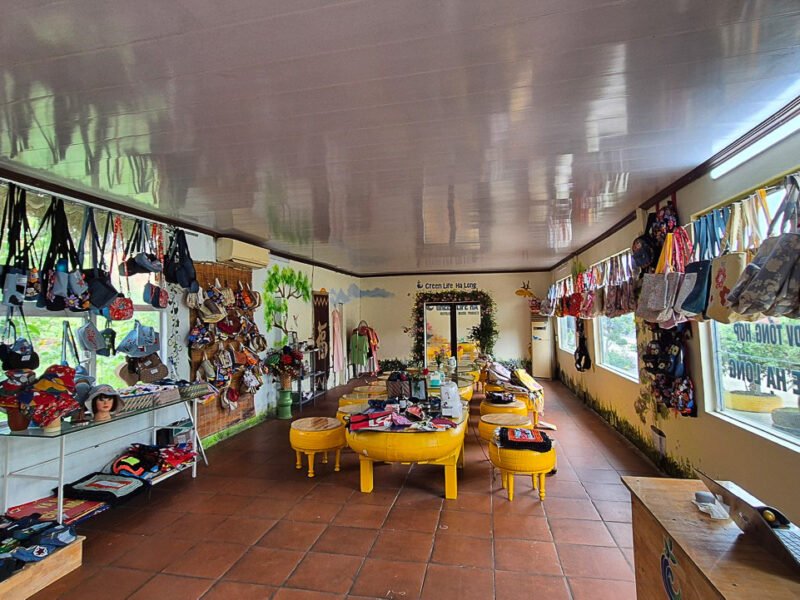
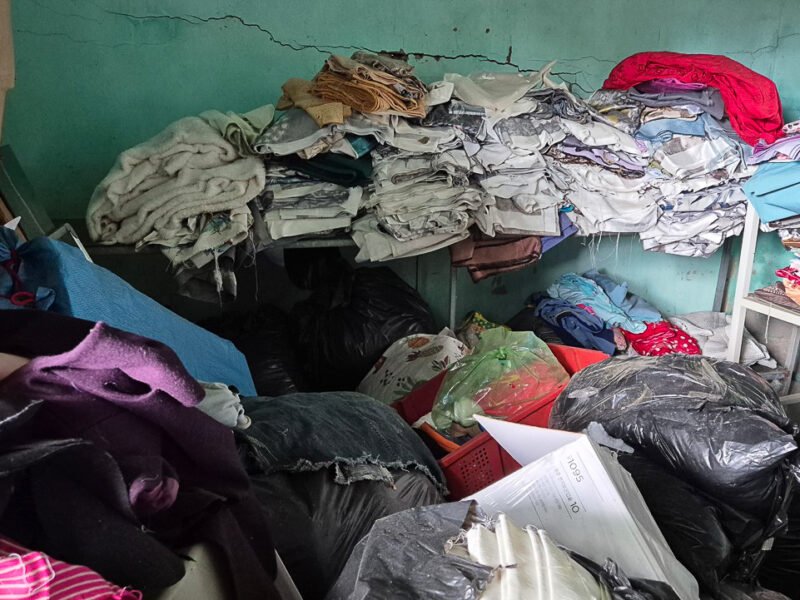
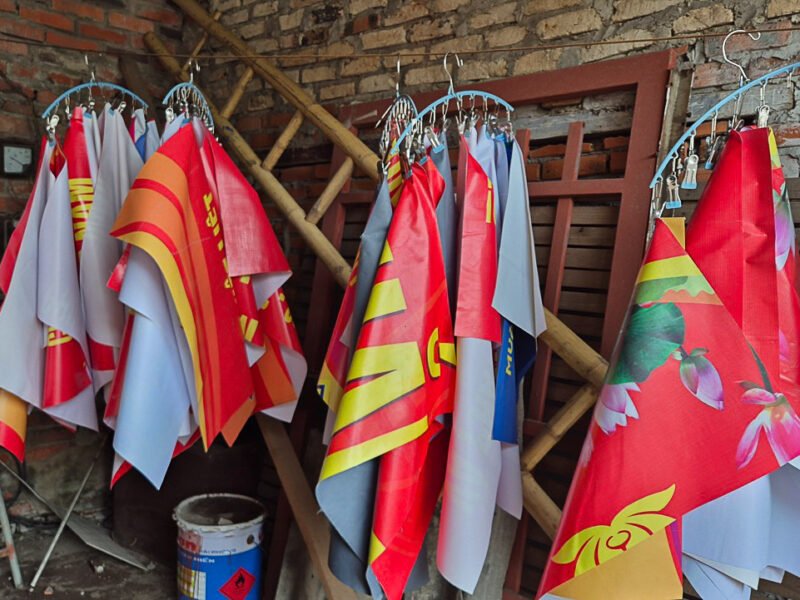
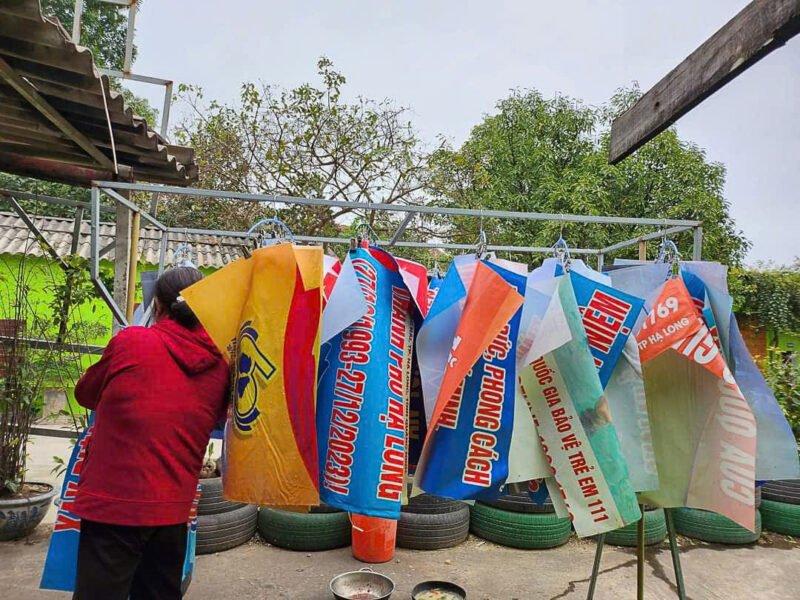
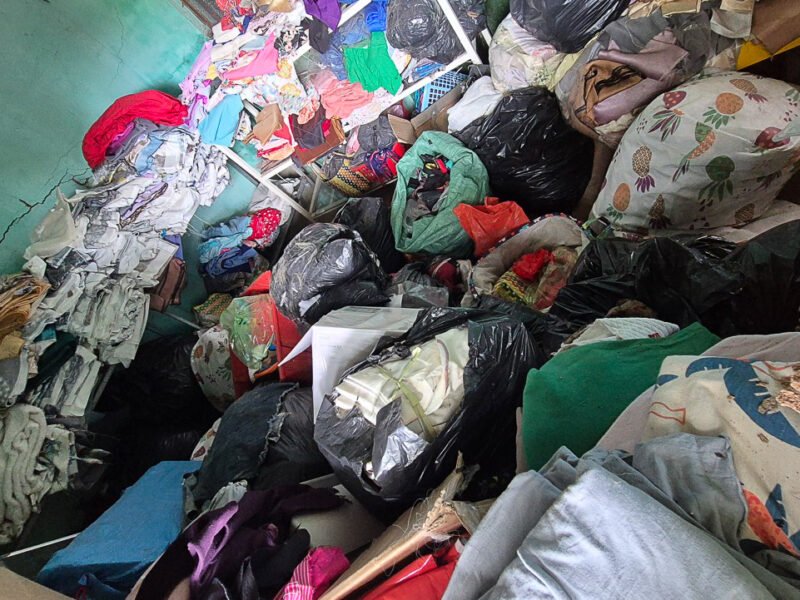
As a volunteer, you’ll work directly with the cooperative to collect and repurpose materials like glass bottles, discarded fabric, tires, and old advertising tarps. These are creatively transformed into eco-friendly products such as tote bags, rugs, hats, and chairs. From the initial collection to the final crafted product, you’ll be actively involved in every step, while gaining insight into the principles of the circular economy and contributing to a more sustainable community.
This initiative is a dynamic blend of environmental responsibility, women’s empowerment, and grassroots development. Every product made, from a sewn tote bag to a repurposed bottle or tarp, represents creativity, resilience, and a cleaner future. It’s not just about reducing waste, it’s about reimagining what waste can become.
As a volunteer, you won’t just observe the impact, you’ll help make it happen.
Program Highlights:
- Tackle the environmental challenges of a coastal city impacted by tourism and urban expansion
- Support women’s empowerment through fair, sustainable employment and artisan skill development
- Help fund scholarships for ethnic minority children in Vietnam’s mountainous areas
- Get practical experience in eco-product design, recycling, and upcycling
- Join a community-based social enterprise that links sustainability with economic opportunity
- Engage deeply with local culture while collaborating with inspiring Vietnamese changemakers
- Promote environmental awareness by turning waste into meaningful, functional creations
Your Role May Include:
- Collecting and transporting recyclable items like glass, fabric, rubber, plastic, and tarps
- Sorting and cleaning materials to prepare them for repurposing
- Cutting, shaping, and preparing raw materials for new uses
- Assisting in the creation of handmade goods such as mats, bags, hats, and furniture
- Adding finishing touches or decorative elements to products, including logos and designs
- Packing completed items for sale or community donation
- Contributing ideas for new products or more efficient workshop processes
Location
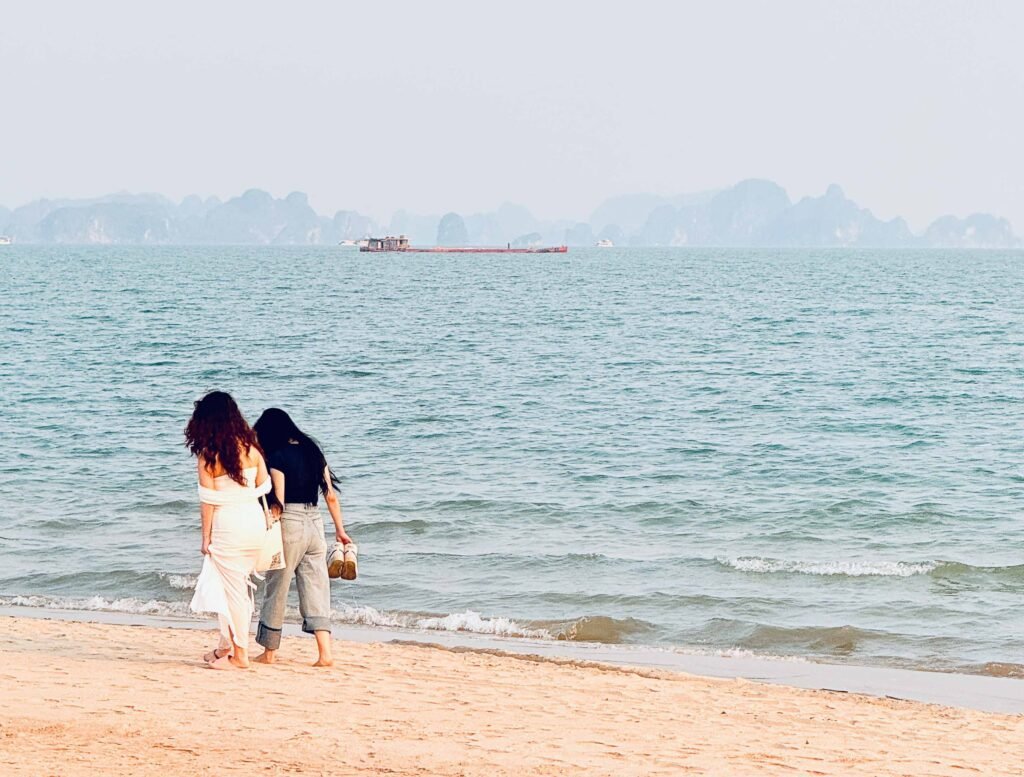
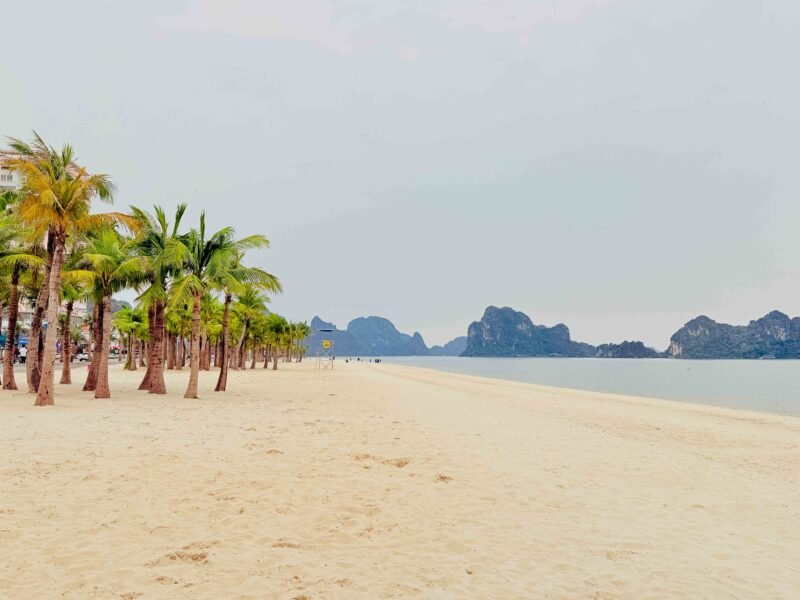
Ha Long Bay is a stunning coastal area in northern Vietnam, famous for its emerald waters and towering limestone islands. A UNESCO World Heritage Site, it’s known for scenic cruises, hidden caves, and floating fishing villages, offering a unique glimpse into local life and natural beauty.
Project Tasks
- Reduce landfill waste by upcycling used materials
- Create handmade, useful products for the community
- Empower local initiatives and raise awareness about sustainability
- Promote environmental education through hands-on activities
Food & Accommodation
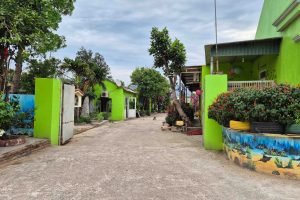
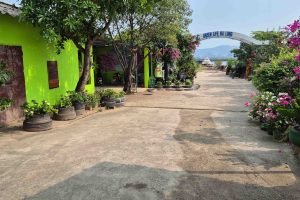
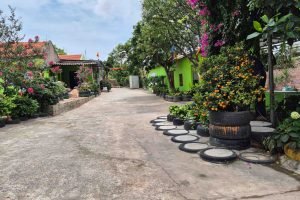
You will stay in our volunteer accommodation, which is located about 45 minutes to 1 hour from Cat Bi Airport in Hai Phong, and roughly 3 hours from Noi Bai Airport in Hanoi.
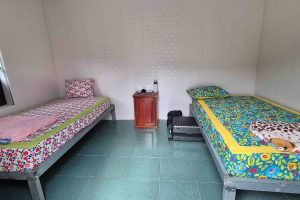
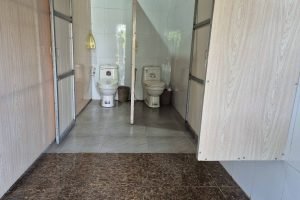
Volunteers will be accommodated in shared rooms with 2 to 4 people of the same gender. Each room includes basic bedding such as a mattress, blanket, and pillow. Bathrooms and toilets are shared and cleaned twice weekly. The accommodation also has wifi, hot showers, fans and air conditioning.
We provide a locker at the accommodation — just remember to bring your own padlock for extra peace of mind! There’s a washing machine available but please bring your own laundry liquid, or you can easily purchase some at a local market nearby.
*Please be aware that dogs and cats may occasionally wander through common areas, and cicadas are commonly heard during the summer.
Three (3) good meals (Breakfast, Lunch, and Dinner) are provided every day of the program, and on weekends only brunch and dinner. Typical meals include Vietnamese dishes with rice/noodles, pork/beef/fish/seafood, fried vegetables, soup, and breakfast items such as cereal with milk, fruit, sandwiches with jam/eggs, and instant noodles.


Specialty
Projects
- Medical Project, Ho Chi Minh
- Upcycling & Recycle, Ha Long Bay
- Environmental Composting, Ha Long Bay
- Kindergarten, Ha Long Bay
-
1 Week - $590
-
2 Weeks - $850
-
3 Weeks $1210
-
1 Month - $1590
-
2 Months - $3150
-
3 Months - $4680
What's Included
-
Accommodation
-
Meals
-
Bus Stop Pickup
-
Local Transportation
-
1 Day Orientation
-
24/7 In-Country Support
-
Project Materials & Equipment
-
Pre-departure Expert Advice
-
Preperation Tools & Checklists
-
Certificate of Completion
Testimonials...
FAQ
Willingness to do hands-on, sometimes messy work and have an open-minded and creative approach to recycling.
- Accommodation
- 3 meals p/day weekdays / 2 meals p/day weekends
- Arrival bus stop transfer (Sat/Sun arrivals)
- Filtered drinking water, coffee & tea
- 1 day orientation
- Daily transportation to project
- In country 24/7 support & emergency assistance
- Fundraising support
- University course credits (where applicable)
- Certificate of Completion
- Airfares
- Travel Insurance
- Tours, Souvenirs & spending money
- Airport pickup is an additional fee
On the Monday of your first week at this location, you will join our orientation day, to familiarize you with the surroundings as well as local culture.
Schedule
- Introduction meeting and house rules
- Setting expectations, health & safety advice
- Signing and handling of documents
- Local area tour, SIM card arrangement if needed
- Basic Vietnamese language and culture lessons
- Games and recreational activities
- Welcome Dinner
Programs begin every Monday, and volunteers are required to arrive the day prior, for orientation before the project. Your accommodation on the Sunday is included in the program fees.
An airport pickup is not provided but can be arranged for an extra fee.
A free pickup is included when arriving to Bai Chay Bus Station, Ha Long. You must arrive between 06:00 – 20:00 on Saturday or Sunday.
If arriving outside the pickup times you can book a private transfer and any extra nights for an additional fee.
If arriving on Saturday, you will need to pay for an extra night’s accommodation, or arrange your own accommodation for the night.
Alternatively, if arriving early you could wait at the arrival’s terminal for the pickup time, book accommodation at the airport and meet us during the pickup times or make your own way to the project (we will advise on how to do this).
From the airport to the Ho Chi Minh accommodation, it takes 20 minutes by taxi. From the airport to the Phan Thiet accommodation, it takes 5 hours by public bus, and to the Mekong Delta around 4 hours by public bus.
Monday
- Morning Session: 9:00 AM – 11:30 AM: Sort materials, cut fabric, clean collected items
- Afternoon Session: 2:00 PM – 4:00 PM: Dry and collect previously washed materials
Tuesday
- Morning Session: 9:00 AM – 11:30 AM: Collect recyclable materials from local homes and markets
- Afternoon Session: 2:00 PM – 4:00 PM: Wash, dry, and trim materials in preparation for upcycling
Wednesday to Friday
- Morning Session: 9:00 AM – 11:30 AM: Continue sorting, cleaning, and cutting materials
- Afternoon Session: 2:00 PM – 4:00 PM: Begin crafting and upcycling items (e.g., bags, mats, accessories)
Optional Add-On Workshops
- Turning Waste into Art & Utility: Learn creative techniques for transforming waste into functional and decorative items
- Local Craft Skills from Recycled Materials: Discover traditional Vietnamese craft methods adapted for recycled goods
- Environmental Awareness & Green Innovation: Explore sustainability challenges and innovative solutions in waste management
***This schedule can be changed and/or amended depending on weather conditions, local conditions and unforeseen circumstances.***
Things to Do in Ha Long Bay
- Cruise Through the Bay
Take a day or overnight cruise through the UNESCO-listed bay, weaving between thousands of limestone karsts and islets. Many cruises offer activities like kayaking, swimming, squid fishing, and cooking classes.
- Kayaking and Swimming
Get closer to nature by paddling through hidden lagoons and sea caves. Popular spots include Luon Cave, Ba Hang fishing village, and the area around Titop Island.
- Visit Sung Sot Cave (Surprise Cave)
This is the largest and most famous cave in Ha Long Bay, with dramatic stalactites, vast chambers, and panoramic views from the exit.
- Titop Island
Hike to the top for one of the best views of the bay. There’s also a beach for swimming and relaxing after the climb.
- Floating Fishing Villages
Explore traditional floating communities such as Cua Van. Learn about the daily life of local fishermen and see how these villages function entirely on water.
- Bai Tu Long Bay
Less touristy than Ha Long Bay itself, Bai Tu Long offers a more peaceful experience with equally beautiful scenery — ideal for eco-tours and nature lovers.
- Cat Ba Island
Technically part of the bay, Cat Ba is a great base for outdoor adventures. Visit Cat Ba National Park, go trekking, or explore Hospital Cave, a hidden wartime facility built inside a mountain.
- Try Local Seafood
Enjoy freshly caught seafood at local restaurants or on your cruise. Signature dishes include grilled squid, steamed clams with lemongrass, and seafood hotpot.
- Sun World Ha Long Complex
This amusement park features a cable car, a giant Ferris wheel, waterpark, and other family-friendly attractions with views of the bay.
- Ha Long Night Market
A good place for souvenirs, local snacks, and people-watching in the evenings. You’ll find everything from handcrafted goods to street food stalls.
Additional Requirements
- Willingness to do hands-on, sometimes messy work
- Open-minded and creative approach to recycling
Additional Equipment
Packing List
Clothing
- Modest clothing (covers knees and shoulders)
- Comfortable walking shoes, sandals, water shoes
- Sun hat, fleece sweater, windproof rain jacket (depending on weather)
- Work gloves and reusable masks
Documents
- Passport
- Flight info, insurance, vouchers, visas, and vaccination certificates (with photocopies)
Health & Safety:
- Hand sanitizer
- First-aid kit (medications, sunscreen, insect repellent, rehydration tablets)
Essentials:
- Toiletries (shampoo, soap, etc.)
- Day pack, small travel towel, reusable water bottle
- Moneybelt, locks for bags
For information on holidays and any programs affected, please see the following link:
Vietnam’s history is one of war, colonization and rebellion. Less than forty years since the savagery and slaughter of the American War, this resilient nation is buoyant with hope. Few countries have changed so much over such a short time as Vietnam. The speed with which Vietnam’s population has been able to put the bitter events of its recent past behind it, and focus its gaze on the booming future is incredible.
However, there are broad regional variations in the distribution of poverty. The regions with the highest relative poverty rates include the north-west, north-central, central highlands, central coast and north-east. But in terms of absolute numbers, more poor people live in the north-central and north-east regions, in the Mekong Delta and central coastal regions, which are home to seven out of 10 of Vietnam’s poor people.
Volunteers have the opportunity to work in medical institutions caring for children and young people affected by Agent Orange, or in schools and community clinics looking after mentally disabled children. Volunteer work is varied and dependent on the institution where the volunteer is placed.
The weather in Vietnam can vary form North to South, with tropical and temperate climates. March to April is one of the best times overall, to visit the whole country, although Vietnam is a year-round destination.
June to August are the summer months and very hot and humid in Northern Vietnam, whereas this region experiences cold winters (as low as 4 degrees). Southern Vietnam is generally pleasant year-round but does have a rainy season from June to November. February to August is the best time to visit central Vietnam, as it gets hit with heavy rains in the wet season.
Vietnam has one of the oldest cultures in South East Asia, creating a rich history with ancient traditions dating back thousands of years. It also has a large Chinese influence. Elders are very well respected in Vietnamese culture, the older you are, the more respect is shown to you. ‘Saving face’ is a concept shown by most Vietnamese people and is thought of as extremely important in their culture. This means that if you feel angered or annoyed by someone, you do not show it and remain respectful. If you lose your temper/ are rude, then this is seen as losing face and therefore a loss of reputation and self-respect.
Vietnamese is the most widely spoken language, other languages include Chinese, Khmer, Cham and tribal dialects. Buddhism, Taoism, and Confucianism are the main religious beliefs in Vietnam, and you will find many temples dotted around the country. You will often see the local people giving fruits and burning incense to give as offerings.
Things to Do in Ha Long Bay
- Cruise Through the Bay
Take a day or overnight cruise through the UNESCO-listed bay, weaving between thousands of limestone karsts and islets. Many cruises offer activities like kayaking, swimming, squid fishing, and cooking classes.
- Kayaking and Swimming
Get closer to nature by paddling through hidden lagoons and sea caves. Popular spots include Luon Cave, Ba Hang fishing village, and the area around Titop Island.
- Visit Sung Sot Cave (Surprise Cave)
This is the largest and most famous cave in Ha Long Bay, with dramatic stalactites, vast chambers, and panoramic views from the exit.
- Titop Island
Hike to the top for one of the best views of the bay. There’s also a beach for swimming and relaxing after the climb.
- Floating Fishing Villages
Explore traditional floating communities such as Cua Van. Learn about the daily life of local fishermen and see how these villages function entirely on water.
- Bai Tu Long Bay
Less touristy than Ha Long Bay itself, Bai Tu Long offers a more peaceful experience with equally beautiful scenery — ideal for eco-tours and nature lovers.
- Cat Ba Island
Technically part of the bay, Cat Ba is a great base for outdoor adventures. Visit Cat Ba National Park, go trekking, or explore Hospital Cave, a hidden wartime facility built inside a mountain.
- Try Local Seafood
Enjoy freshly caught seafood at local restaurants or on your cruise. Signature dishes include grilled squid, steamed clams with lemongrass, and seafood hotpot.
- Sun World Ha Long Complex
This amusement park features a cable car, a giant Ferris wheel, waterpark, and other family-friendly attractions with views of the bay.
- Ha Long Night Market
A good place for souvenirs, local snacks, and people-watching in the evenings. You’ll find everything from handcrafted goods to street food stalls.
Check out this amazing blog with step by step info on how to raise funds for your overseas volunteer experience to help maximize your impact abroad. Guide to Fundraising
Weekends & Extra Tours
Involvement Volunteers International